Guides

Car Rental Website Builder vs Custom Development: Which Is Better?

Car Rental Website Builder vs Custom Development: Which Is Better?

When a car rental business needs a new website, one of the biggest decisions is whether to use a specialized website builder or hire developers to create a custom system.

Both approaches can produce a professional website.

But a car rental website is rarely just a collection of pages.

Customers may need to browse vehicles, select dates, check availability, choose pickup locations, add extras, understand deposits, make payments, and receive booking confirmations.

Behind the scenes, the rental company needs to manage those bookings, vehicles, prices, rules, and customers.

That makes the choice between a website builder and custom development more important than simply deciding how the homepage will look.

What Is a Car Rental Website Builder?

A car rental website builder is a platform that provides website creation tools together with functionality needed by rental businesses.

Instead of developing everything from the beginning, the business starts with an existing system and configures it for its own fleet, pricing, locations, policies, and branding.

Depending on the platform, this may include:

  • Vehicle listings
  • Online reservations
  • Availability management
  • Rental pricing
  • Seasonal rates
  • Security deposits
  • Pickup and return locations
  • Optional extras
  • Mileage rules
  • Fuel policies
  • Online payments
  • Customer information
  • Booking confirmations
  • Website content management

The main advantage is that much of the technical infrastructure already exists.

The business can focus on configuring the system rather than developing it.

What Is Custom Development?

Custom development means hiring a freelancer, agency, or internal development team to create the website and its functionality specifically for your business.

Instead of adapting an existing platform, developers build the required features according to your specifications.

That might include a custom:

  • Vehicle database
  • Booking engine
  • Availability calendar
  • Pricing system
  • Customer portal
  • Payment workflow
  • Administration dashboard
  • Reporting system
  • Integration with existing software

Custom development gives you significant flexibility.

However, that flexibility comes with additional cost, development time, maintenance, and technical responsibility.

The Main Difference

The simplest way to think about the difference is:

A website builder gives you an existing system that you configure.

Custom development gives you a system that must be designed, built, tested, and maintained specifically for you.

For some rental companies, custom development is necessary.

For many others, it may be more complexity than the business actually needs.

Cost

Cost is usually one of the biggest differences.

Website Builder

A website builder normally uses a monthly or annual subscription.

That subscription may include:

  • Hosting
  • Website editor
  • Rental functionality
  • Security updates
  • Platform maintenance
  • New features
  • Technical infrastructure

There may still be additional costs for domains, payment processing, premium features, or external services.

However, the overall cost is usually easier to predict.

Custom Development

Custom development normally requires a larger upfront investment.

The final price depends on:

  • Design complexity
  • Number of features
  • Developer rates
  • Booking requirements
  • Payment integrations
  • Customer accounts
  • Administration tools
  • Reporting
  • Third-party integrations

The initial development cost is also not necessarily the final cost.

You may later need to pay for:

  • Bug fixes
  • Security updates
  • Server maintenance
  • New features
  • Integration changes
  • Framework upgrades
  • Developer support

For this reason, custom development should be evaluated based on its total long-term cost rather than the original project quote.

Development Time

A website builder can often get a business online much faster.

The core system already exists.

You mainly need to configure:

  • Branding
  • Vehicles
  • Prices
  • Locations
  • Rental rules
  • Website content
  • Payment settings

Custom development follows a very different process.

It may involve:

  1. Requirements gathering
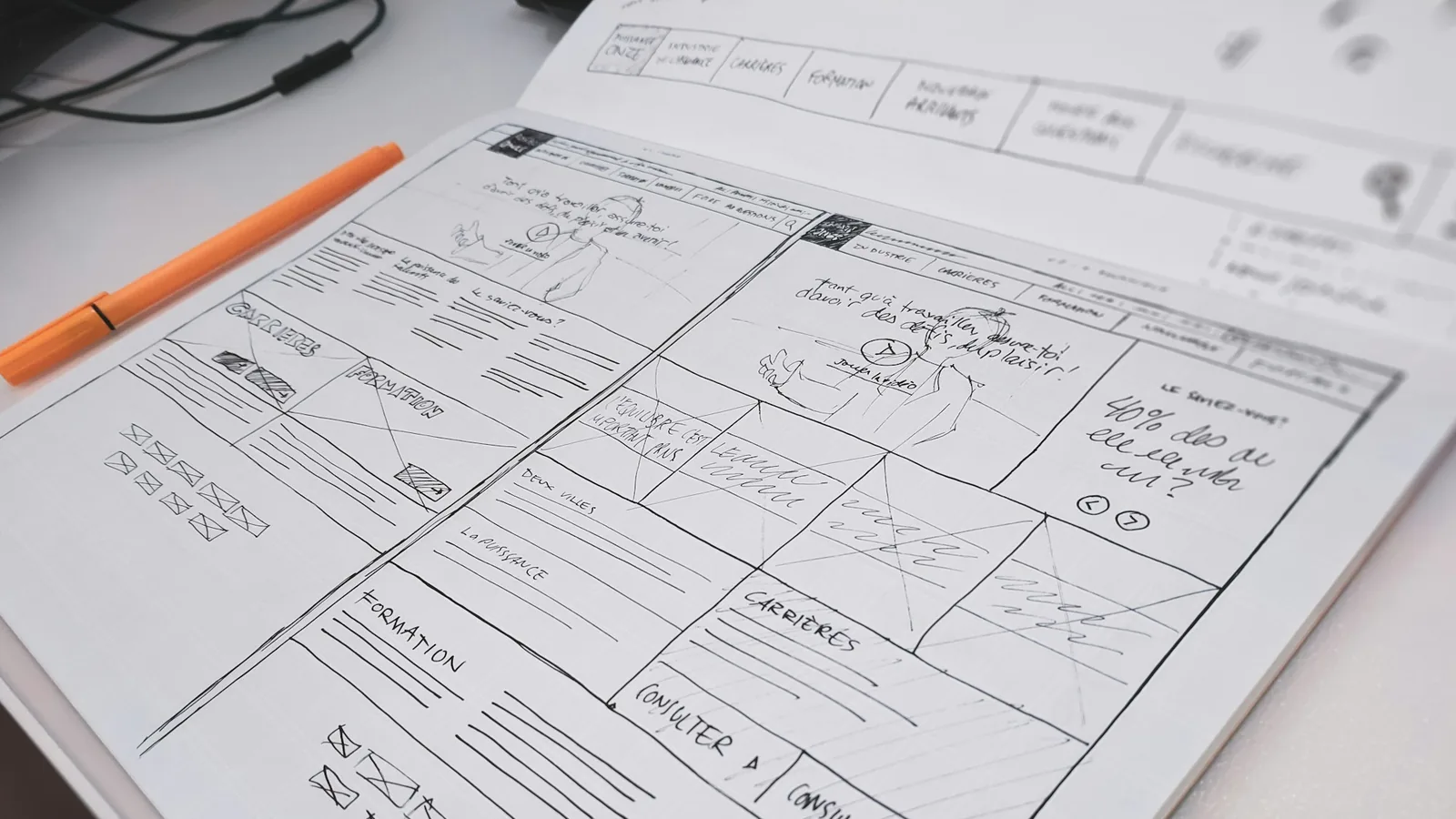
  2. Wireframes
  3. Interface design
  4. Database design
  5. Backend development
  6. Frontend development
  7. Payment integration
  8. Testing
  9. Bug fixing
  10. Deployment
  11. Staff training

Depending on the project, this can take weeks or months.

If your priority is launching quickly, an existing platform usually has a significant advantage.

Rental Availability

Availability is one area where a normal website can quickly become complicated.

Imagine you have:

  • 20 vehicles
  • different pickup locations
  • overlapping reservations
  • turnaround time between bookings
  • vehicles temporarily unavailable for maintenance

A simple booking form is not enough.

The system must understand which specific vehicles are available for the selected dates.

A rental-focused website builder may already include this logic.

With custom development, the availability system must either be created or integrated with another platform.

This is one of the areas where development complexity can increase quickly.

Preventing Double Bookings

A professional rental website should prevent customers from booking vehicles that are already reserved.

That sounds simple, but it becomes more complicated when:

  • several customers attempt to book at the same time
  • reservations are modified
  • vehicles are moved between locations
  • maintenance blocks availability
  • staff create bookings manually
  • turnaround buffers are required

An established rental platform can already account for many of these situations.

With a custom system, developers need to design and test this logic carefully.

Pricing Rules

Car rental pricing is rarely just one number.

Businesses may need:

  • Daily rates
  • Weekly rates
  • Seasonal pricing
  • Minimum rental periods
  • Weekend pricing
  • Discounts
  • Location fees
  • Young-driver fees
  • Additional-driver fees
  • One-way rental charges
  • Security deposits
  • Optional extras

A specialized platform can provide configurable pricing tools.

With custom development, every rule needs to be translated into software logic.

The more complicated your pricing model becomes, the more expensive and difficult the custom system may become to maintain.

Website Updates

Think about how often your rental business changes.

You may regularly need to:

  • Add a vehicle
  • Remove a vehicle
  • Update photos
  • Change a description
  • Modify prices
  • Add a pickup location
  • Change a policy
  • Introduce a new extra
  • Publish a promotion
  • Update website content

With a website builder, business owners or staff can usually make these changes themselves.

With a custom system, it depends entirely on the administration tools that were built.

If the developer did not create an easy interface for a particular setting, you may need to contact them whenever that information changes.

That creates an ongoing dependency.

Customization

This is where custom development has its clearest advantage.

A completely custom system can potentially be designed around almost any business process.

For example, a large rental company may have:

  • Proprietary fleet-management software
  • Complex franchise structures
  • Custom pricing algorithms
  • Corporate customer contracts
  • Internal accounting systems
  • Unique reservation workflows
  • Legacy databases
  • Specialized reporting requirements

If these processes cannot be supported by existing platforms, custom development may be justified.

A website builder provides flexibility within the capabilities of the platform.

For most businesses, that may be enough.

For highly specialized operations, it may not be.

Maintenance and Security

Software needs ongoing maintenance.

A custom system may require someone to manage:

  • Server updates
  • PHP or framework upgrades
  • Database changes
  • Security patches
  • Browser compatibility
  • Payment API changes
  • Backups
  • Performance problems
  • Bugs

If your original developer is no longer available, another developer must first understand the existing system before making changes.

With a hosted website platform, much of this infrastructure is managed by the platform provider.

That can remove a significant technical burden from the rental business.

Payments

Online payments introduce additional complexity.

A rental website may need to accept:

  • Full payments
  • Partial payments
  • Booking deposits
  • Security deposits
  • Additional charges
  • Refunds

A platform with existing payment functionality can make this easier to configure.

With custom development, payment workflows need to be implemented correctly and maintained as payment-provider requirements evolve.

The business should also consider who controls the payment account.

Ideally, payments should go directly through the business's own payment-processing account rather than through an unnecessary intermediary.

Multiple Team Members

As a rental company grows, more than one person may need access to the website and booking system.

For example:

  • Owners
  • Reservation staff
  • Marketing staff
  • Branch managers
  • Customer support

A business platform may provide team accounts and permissions.

With a custom system, user roles and permissions must be designed and implemented separately.

This is easy to overlook when planning the original project.

Analytics and Marketing

A website does not create value simply because it exists.

You also need to understand:

  • How customers find the website
  • Which pages generate bookings
  • Where visitors abandon the process
  • Which marketing campaigns work
  • Which customers return

This may require analytics, funnels, email campaigns, customer management, and marketing automation.

A traditional custom website may rely on several external tools for these functions.

An integrated business platform may provide more of them within the same system.

Scalability

Both approaches can scale, but in different ways.

With a website platform, infrastructure and software improvements are generally handled by the provider.

You can concentrate on growing the business.

With custom development, scalability depends on how the application was designed.

A system created for 20 bookings per month may eventually need architectural changes if the business grows to thousands of bookings.

Custom software can scale very far, but doing so requires technical expertise and investment.

When Does a Website Builder Make More Sense?

A car rental website builder is often a strong choice when:

  • You want to launch quickly.
  • You do not have an internal development team.
  • You want predictable costs.
  • You want staff to update the website themselves.
  • You need common rental features.
  • You want bookings and website management together.
  • You prefer not to maintain custom software.
  • Your business processes are relatively standard.

This applies to many independent and growing rental businesses.

When Does Custom Development Make More Sense?

Custom development may be the better choice when:

  • Your rental process is genuinely unusual.
  • You need deep integration with proprietary systems.
  • Existing platforms cannot support important workflows.
  • You have a large development budget.
  • You have internal technical staff.
  • Custom software is strategically important to your business.
  • You are prepared to maintain the system long term.

The key word is genuinely.

Many businesses assume they need custom development when most of their requirements are actually standard rental operations.

Don't Compare Only the Homepage

One common mistake is comparing the cost of a website builder with the cost of a custom-designed website.

That is not always a fair comparison.

A car rental platform may include:

  • Website hosting
  • Website editing
  • Vehicle management
  • Availability
  • Booking management
  • Pricing rules
  • Payments
  • Customer management
  • Marketing tools

A custom website quote may include only:

  • Design
  • Pages
  • Contact forms

The rental functionality might then require separate development or additional subscriptions.

Always compare the complete systems.

How Webkio Approaches the Problem

Webkio combines website creation with rental and business-management functionality.

Instead of creating the website separately from the rental system, businesses can manage both from one platform.

For rental businesses, this can include functionality for:

  • Individual rental units
  • Fleet management
  • Availability
  • Pickup locations
  • Seasonal pricing
  • Minimum rental periods
  • Security deposits
  • Mileage rules
  • Fuel rules
  • Fees
  • Protection options
  • Rental extras
  • Online payments
  • Customer information
  • Email automation
  • Analytics
  • Team access

This approach is designed for businesses that want more functionality than a basic website but do not necessarily want the cost and complexity of developing their own rental software.

Questions to Ask Before Choosing

Before making a decision, ask yourself:

Can the platform handle how we actually rent vehicles?

Do not choose based only on design.

Test availability, pricing, deposits, locations, extras, and booking management.

Can my staff manage it?

A powerful system is not useful if everyday changes require technical support.

What happens when the business grows?

Think about additional vehicles, locations, staff, and bookings.

What will this cost over three years?

Include development, subscriptions, hosting, maintenance, support, and future changes.

Do we really need custom functionality?

Separate requirements into:

must-have

and

nice-to-have

You may discover that an existing platform already covers almost everything important.

Website Builder or Custom Development?

There is no universal winner.

Custom development offers maximum flexibility, but that flexibility comes with higher costs, longer development times, and greater maintenance responsibility.

A rental-focused website builder offers less unlimited customization but can provide a much faster and more predictable way to launch and manage a rental website.

For many car rental businesses, the practical question is not:

"Can developers build this?"

They almost certainly can.

The better question is:

"Do we need to build this ourselves when the functionality already exists?"

If an existing platform can support your fleet, pricing, availability, bookings, payments, customers, and website management, custom development may add cost without adding enough business value.

If your processes are genuinely unique and central to your competitive advantage, custom development may be worth the investment.

The right choice is the one that gives your rental business the functionality it needs without creating unnecessary cost, complexity, or dependence.

The cost side of the same decision

The price ranges behind this comparison are set out in how much a car rental website costs, and the functional requirements in what a rental booking system needs. What the rental side has to configure is documented in pricing, fees and deposits. The builder side of this comparison is documented in full on the car rental website builder page.

FAQ

Is custom development always more capable?

It is more open-ended, which is not the same thing. Anything can be built, but only what is actually built exists, and rental availability logic is a large piece of work that is easy to underestimate at quoting time.

What is the real risk of a custom rental website?

Dependence on one developer. Small rental businesses regularly end up with a site nobody currently available can safely change, and the cost of that appears years after the invoice.

When does custom development genuinely make sense?

When the business does something a rental platform cannot express: unusual contract structures, integration with a fleet telematics system, or a booking model that is not really a rental. Those cases exist and are worth building for.

Can a website builder handle per-vehicle rules?

It depends entirely on whether the builder is rental-aware. A general website builder produces a brochure; one designed for rentals holds availability, deposits, seasonal rates and mileage rules against each vehicle.

How long does each approach take to launch?

A configured rental site is measured in days once the fleet data exists, a custom build in months. The gap matters most for a new business, where the months are spent not renting.

Compare your options

Share:
Website building tips & guides

The Webkio team builds website, booking and online shop software for small businesses. The guides here come from what we watch owners actually struggle with: taking bookings without adding staff, being found by people nearby, getting paid without friction, and keeping a site working long after launch day.

Ready to build your own? Browse free website templates, or see plans & pricing.