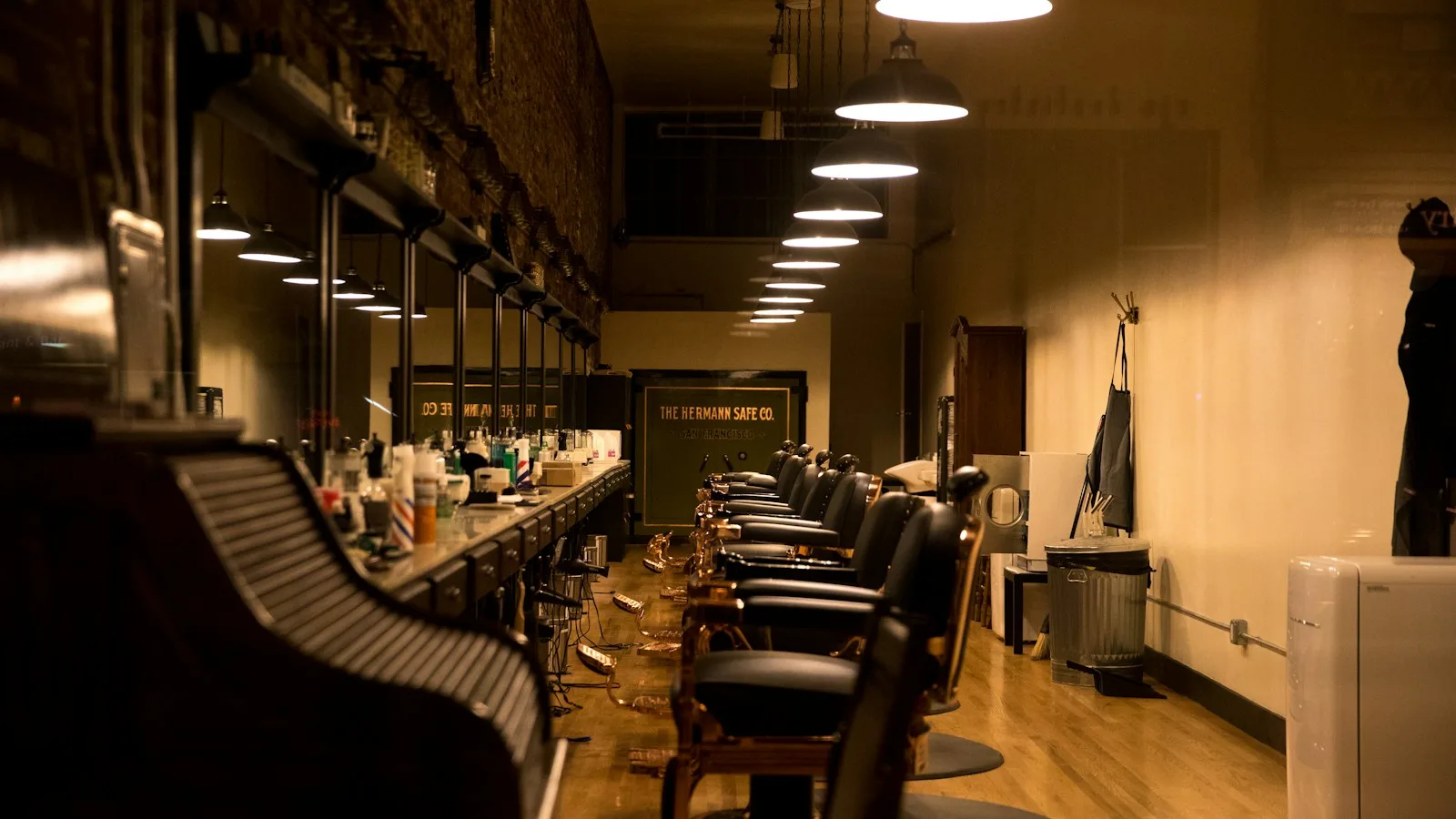
Every salon has a day that does not sell. Usually Tuesday, sometimes Wednesday morning, occasionally the first two hours of every weekday. The chairs are staffed, the lights are on, and the money is not there.
The reflex is a discount. Twenty per cent off midweek, posted everywhere. It fills some slots and it does something expensive at the same time: it teaches the clients who were happily paying full price on Saturday that if they move, they pay less.
The problem with a blanket discount
A discount is visible to everyone, including the people who did not need it.
Your Saturday is already full. Those clients are not the ones you need to persuade. But they can read, and a standing midweek offer gives your least price-sensitive customers a reason to become price-sensitive. Six months later the Saturday has gaps in it too, and the midweek is full of people paying less than they used to.
If you discount, the discount has to be invisible to the people already buying at full price.
Who is actually free on a Tuesday
Work out who can come midweek before deciding what to offer them. It is a narrower group than it looks, and it is not mostly about price.
- People who work from home or shifts. They can come at eleven on a Wednesday and often prefer it, because the salon is calm.
- Retired clients. Frequently the most loyal segment a salon has, and the least interested in a discount.
- Parents during school hours. A specific window, roughly ten to two, and they need to know the appointment will finish on time.
- Students, where a genuine midweek student price does no damage because they were never buying Saturdays.
Three of those four respond to the slot being available and pleasant, not to it being cheaper.
What is actually different about a midweek slot?
A midweek appointment is quieter, less rushed, and easier to get. Those are real advantages and most salons never mention them.
"Wednesday mornings are our quietest, so there is more time to talk through a change" is a better offer to a nervous first-time colour client than ten per cent off. It is also free.
Why do the gaps need to be visible?
A client who rings on Saturday and is told three weeks will go elsewhere. The same client shown an online diary with Tuesday at eleven available this week often takes it.
That only works if the availability is in front of them at the moment they are deciding. Online booking does this by default, and it is the single largest thing most salons can do about midweek: stop requiring somebody to ask before they can find out.
Give the quiet columns to the right people
If your diary shows per-stylist availability, the midweek gaps are rarely spread evenly. A new stylist has more of them than anyone.
Point the "first available" bookings and the walk-ins at that column deliberately rather than letting it be whoever the system picks. It fills the hardest column in the salon and builds the following that eventually fills it without help. Letting clients book with a particular stylist covers how to set that up.
If you do discount, make it conditional and quiet
Where a price incentive genuinely is the answer, attach it to something that does not leak:
- A specific window, not a whole day. Ten to one on a Wednesday is a slot. "Midweek" is a policy.
- First-time clients only. They were not paying you anything, so there is nothing to discount away from.
- Last-minute only. A slot empty tomorrow is worth more sold cheaply than not sold, and it cannot be planned around by a regular.
FAQ
Is it better to close on the quiet day instead?
For a small salon, often yes, and it is rarely considered. Staffing a day that reliably loses money is a choice; a four-day week with a full diary is a better business than five days with a dead one.
Should the quiet-day offer go in the window?
A window card reaches people already walking past, who are mostly existing clients. The offer works better where the people who cannot normally come will see it, which is online and local rather than on the glass.
How long before a midweek push shows results?
Give it two full cycles of your average rebooking gap, which for most salons is three months. Judging it after a fortnight tells you nothing, because most clients were not due in that fortnight.
Does a loyalty card fill quiet days?
Not usually. It rewards frequency, not timing, and the people who collect it are the regulars who already come. If you want to move when people come, the reward has to attach to the slot.