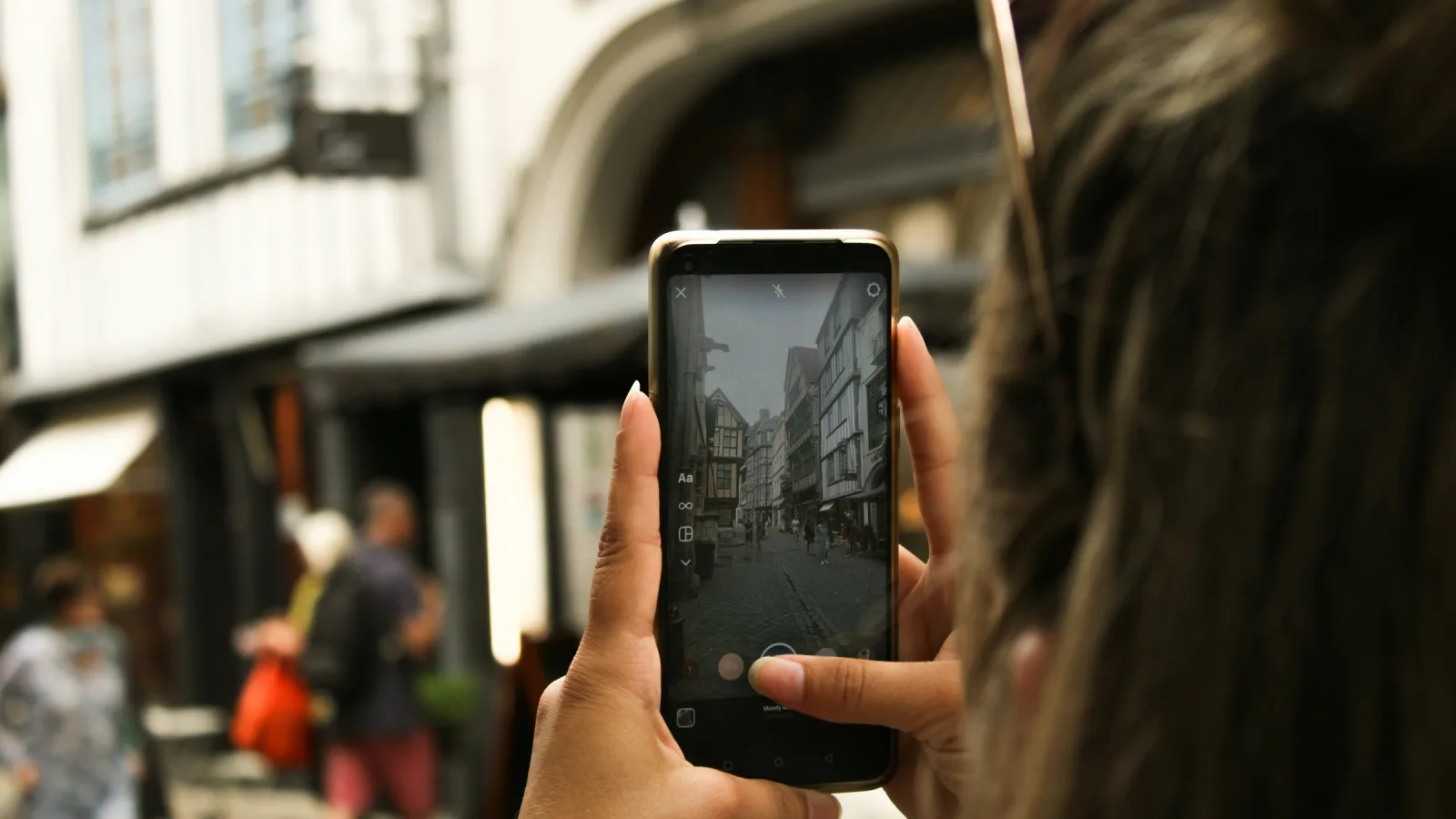
Somebody is standing on a street corner with a phone, deciding where to eat in the next twenty minutes. That is what a restaurant search is, and almost nothing about it resembles the way people search for a plumber or a solicitor.
It means the things that win it are unglamorous, and the things that lose it are usually facts rather than words.
Three facts decide it, and none of them is your copy
Are you open? Wrong or missing opening hours is the single most common way restaurants lose local search. Somebody looking now filters to open now, and a listing with stale hours is either invisible or, worse, sends someone to a locked door. Holiday closures are the version everyone forgets.
Where are you? Distance is not something you can optimise, but the address being right, consistent and matching everywhere is. A restaurant with three slightly different addresses across the web is a restaurant the search engine is less confident about.
What does it look like? Photographs are the tiebreaker between two places at the same distance. This is where the work from photographing your food pays twice.
Get those three right and you have done most of what is available to you. Everything below is the remainder.
Your business listing outranks your website, and that is fine
For "restaurants near me" the result is a map and a set of cards, not a list of websites. Your free business listing is the thing appearing there, so it is the thing to complete: hours, address, phone, menu link, photographs, and the attributes that match how people filter - takeaway, outdoor seating, reservations.
Your website's job in that moment is to be the place the card links to, and to answer the next question quickly: what is on the menu, can I book, where do I park. A site that makes somebody hunt for the menu at that point has lost a customer who had already chosen you.
The menu has to be readable on a phone, as text
A PDF menu is a bad experience on a phone and it is close to invisible to search engines. A menu as real text, with dish names and descriptions, is content that can be read, matched to a search for the dish you are known for, and quoted by an assistant answering "where can I get proper ramen near here". The structure for that is in putting your menu online.
This is the one place where a restaurant's own site genuinely competes: for the dish, not for the category. You will not out-rank the aggregators for "restaurants near me". You can absolutely be the answer for your own signature dish plus your neighbourhood.
Reviews are the other half
They are the strongest local ranking factor you can influence, and the only reliable way to get more is to ask - at the table, on the receipt, in the follow-up. How to get more customer reviews covers doing that without being awkward about it.
Respond to them too, including the bad ones, briefly and without arguing. Prospective diners read the replies more carefully than the reviews.
What not to bother with
Neighbourhood keyword pages for areas you do not serve, blog posts about the history of your cuisine, and anything that treats a restaurant site as a content marketing project. The general method for a single-location business is in local SEO for a one-location business, and for a restaurant the honest version is short: correct facts, good photographs, a readable menu, real reviews.
Frequently asked questions
How do restaurants show up in "restaurants near me" searches?
Mostly through a complete and accurate business listing rather than the website: correct opening hours, a consistent address, photographs, a menu link and the attributes people filter by. The website's job is to answer the next question fast once someone taps through.
Why is my restaurant not showing up in local search?
The most common cause is opening hours that are wrong, missing or not updated for holidays, because people searching now filter to places open now. After that: an address that differs between listings, no photographs, and no recent reviews.
Does my restaurant need a website if I have a business listing?
Yes, and they do different jobs. The listing wins the "near me" moment; the website answers what the listing cannot - the full menu as readable text, booking, parking, dietary information - and it is the only one of the two you own.
Should my menu be a PDF?
No. A PDF is awkward on a phone and close to invisible to search engines and assistants, so the dish you are known for cannot be matched to anyone searching for it. A menu as real text is readable, quotable and the one place a restaurant's own site genuinely competes.