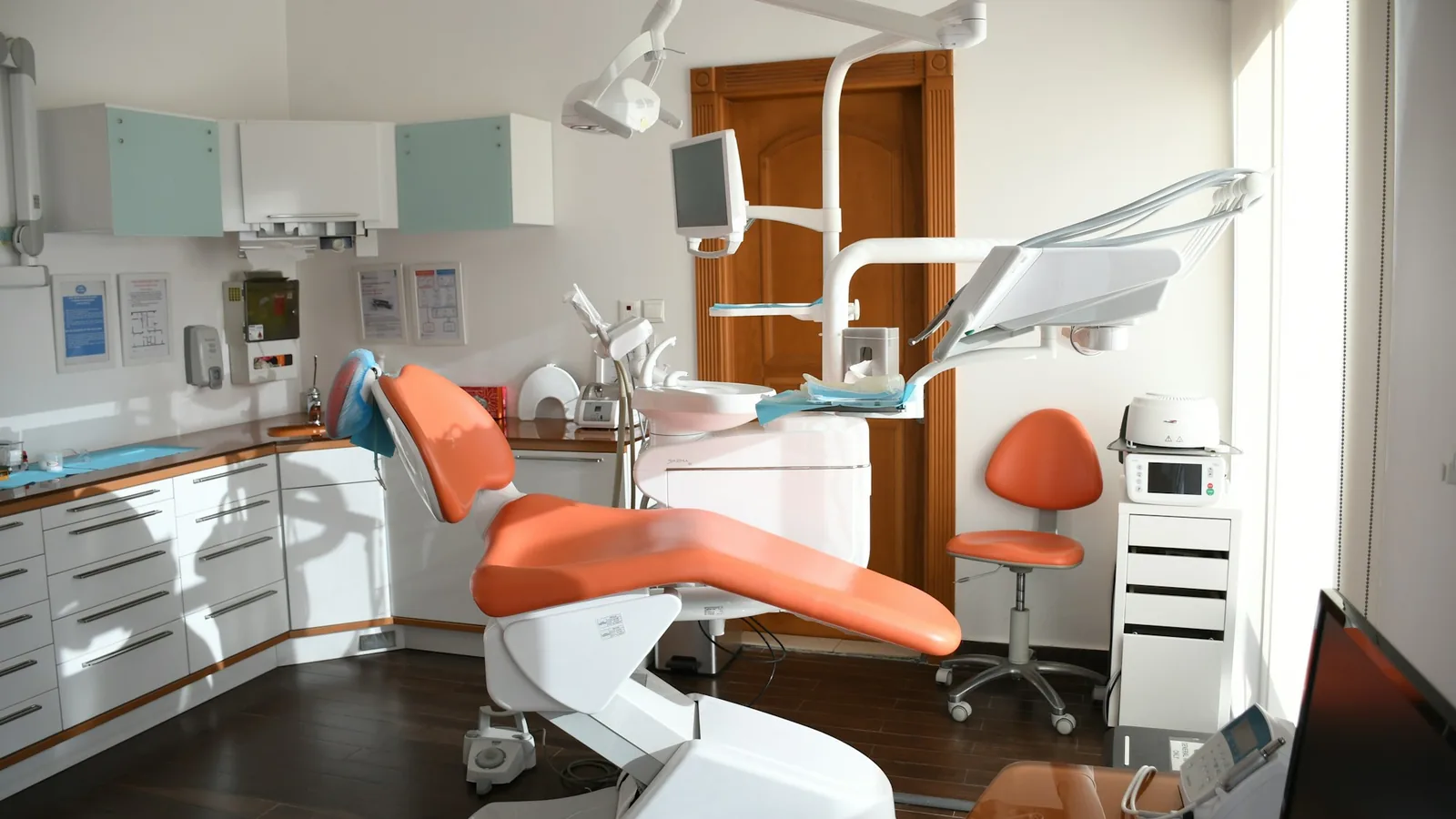
A dental website carries a job most clinic sites do not. A meaningful share of the people reading it are apprehensive, have put off coming for years, and are looking for a reason to close the tab.
Everything below follows from that. The site is not there to impress colleagues; it is there to make booking feel like a small, predictable step.
Lead with treatments in patient language
"Restorative dentistry" is a category. "Chipped a tooth" is a search. The page can carry both, provided the patient's version comes first and the clinical name follows.
Give the treatments people actually look for their own pages: check-ups, emergency appointments, hygienist visits, whitening, implants, orthodontics. A single list of thirty procedures ranks for nothing and reassures nobody.
Be specific about money
Dentistry is one of the few areas of healthcare where people expect to see prices, and where refusing to show them costs enquiries. Publish what you can: a check-up price, a hygiene appointment price, a from-price for the larger work.
If you offer payment plans or membership, say what they cover in plain terms. That page is often the deciding one for exactly the patient who has been putting off treatment.
Answer the nervous-patient question directly
Somewhere on the site, in your own words, say what happens if somebody is anxious. What you do differently, whether appointments can be longer, who to tell when they book.
Practices that write this honestly hear about it at the desk. It is also the paragraph most likely to be read twice before anybody books.
Handle emergencies where people will look
An emergency patient is searching at an inconvenient hour and will not read a page. They want to know today's availability, the phone number, and what happens out of hours.
Put that at the top level rather than inside a services menu, and keep it accurate: an emergency page promising same-day appointments you cannot offer produces the worst first impression available to you.
Make the appointment bookable
Routine check-ups and hygienist visits are the appointments best suited to self-service, since they are predictable in length and need no triage. Publishing real times for those alone removes a large share of reception calls, as covered in online appointment booking for medical practices.
Keep the phone for emergencies and complex treatment planning. The settings that keep the diary honest, including notice periods and buffers, are in availability and hours.
Get the practical details right
Address, parking, accessibility, opening hours, and who to ask for on arrival. These are the details a patient checks the night before, and the ones a practice most often leaves out of date.
The dental templates start from a structure with these sections already in place, and the wider health and medical templates cover the same ground for other practice types. For the general build sequence, the website launch checklist applies here as it does to any small business site.
FAQ
Should a dental website publish a full price list?
Publish the routine prices and a from-price for larger work. A complete list is impractical for treatment that depends on assessment, but silence on the routine items is what sends people to the practice that answered.
What should the emergency page say?
Today's availability, the number to call, and what to do outside hours. Keep it short: an emergency patient reads the first line and dials.
Can new patient registration happen online?
Taking the appointment online is straightforward. Whatever registration or medical history your practice requires is a separate process, and it is worth being explicit on the site about which happens when.
Do dental practices need a blog?
Only if there are questions you answer repeatedly and would rather write once. Volume for its own sake does nothing; the page explaining what an appointment actually involves earns its place.
How many photographs of the practice are worth including?
Enough to show the reception, a surgery and the team. Nervous patients are checking what the room looks like, and a stock photograph of somebody else's clinic answers nothing.