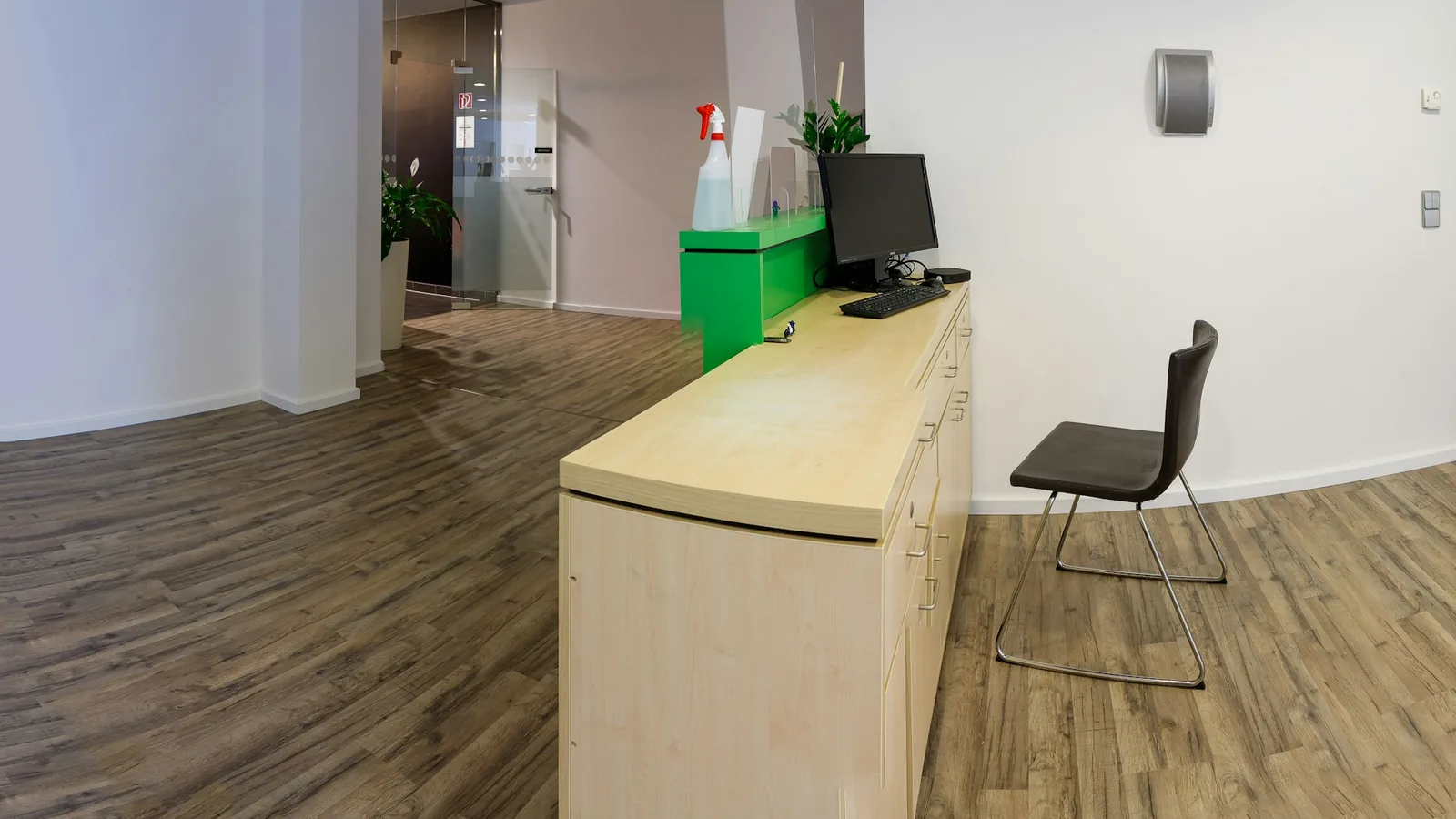
The phone rings while somebody is standing at the reception desk. One of them gets attention and the other waits, and whichever way that goes, a receptionist who is good at their job spends the morning being interrupted rather than doing the work in front of them.
Most of those calls are the same three questions: when are you open, is there anything on Thursday, and how long does that take. A website can answer all three without anybody picking up.
Start with the appointments that need no judgement
Not every appointment should be self-service. A routine check-up, a repeat treatment or a standard consultation follows a known pattern and a known duration, and those are the ones worth publishing.
Anything that needs triage, an unusual duration or a conversation about whether the practice is the right place at all belongs on the phone. Moving the first group online is what gives you time for the second group.
Set the services before the calendar
The diary cannot be right until the services are. Each one needs a name a patient would recognise, a realistic duration and, if you publish them, a price.
Duration is where practices usually undercharge themselves. If a first consultation takes forty minutes including notes, publishing it as thirty produces a diary that is wrong by ten minutes every time it is used, and the error accumulates across the day.
Working hours are not opening hours
The hours you accept bookings for and the hours the door is open are different numbers. Admin time, home visits, a standing meeting on Tuesday mornings: none of that is bookable, and a calendar that does not know it will sell it to somebody.
The settings that matter here are described in availability and hours:
- Working hours per person, because a practice with two practitioners has two diaries, not one.
- Notice period, so nobody books a slot starting in fifteen minutes.
- How far ahead the diary opens, which stops next spring filling up before this quarter is planned.
- Buffers, if you need time between patients for notes or for cleaning down a room.
Publish the practical details next to the booking
A patient choosing a time also wants to know where to go, what to bring, and whether there is parking. A page that answers those questions reduces the follow-up calls that a booking form on its own would generate.
Keep it factual and keep it where the decision happens, rather than in a policies page nobody opens.
Confirmations do the reminding
The point of an online diary is not that patients can book at midnight. It is that a booking produces a confirmation, a reminder and a record without a person typing any of it, which is covered in set up bookings.
That also gives patients a way to move an appointment themselves. A reschedule that happens on the website at 8pm is a slot you can refill; the same reschedule attempted by voicemail is a gap you learn about the next morning.
Keep the phone number visible
Some patients will never book online, and for a medical practice that group is neither small nor unimportant. The number stays where it is.
The aim is not to remove the phone call. It is to make sure nobody has to make one just to find out whether Thursday afternoon is free. If you are still setting the site up, the medical practice website guide covers the pages that go around the diary, and the medical templates start from a layout that already has them.
FAQ
Should every appointment type be bookable online?
No. Publish the ones with a predictable shape and keep triage, first assessments and anything of uncertain duration on the phone. A diary that offers a self-service slot for something that needs a conversation first creates work rather than removing it.
What happens to patients who will not book online?
They call, exactly as before. Online booking is an additional channel rather than a replacement, and in a practice with an older patient list the phone will stay the busier of the two for some time.
How far ahead should the diary be open?
Far enough that a patient can plan and near enough that you are not committed to a schedule you have not thought about. Many practices open a rolling window of a few months rather than a fixed date, and adjust it once they see how far ahead people actually book.
Can two practitioners share one booking page?
Yes, provided each has their own working hours. What breaks a shared diary is treating two people as one calendar, because the site then offers a slot that only one of them can actually take.
Does an online diary mean fewer phone calls straight away?
Not immediately. The calls that disappear first are the availability questions; the rest fall away as patients learn the site answers them. The saving shows up in the reception day before it shows up in the call log.
Read next
- Stop taking clinic appointments by phone - what the switch costs and what it gives the front desk back.