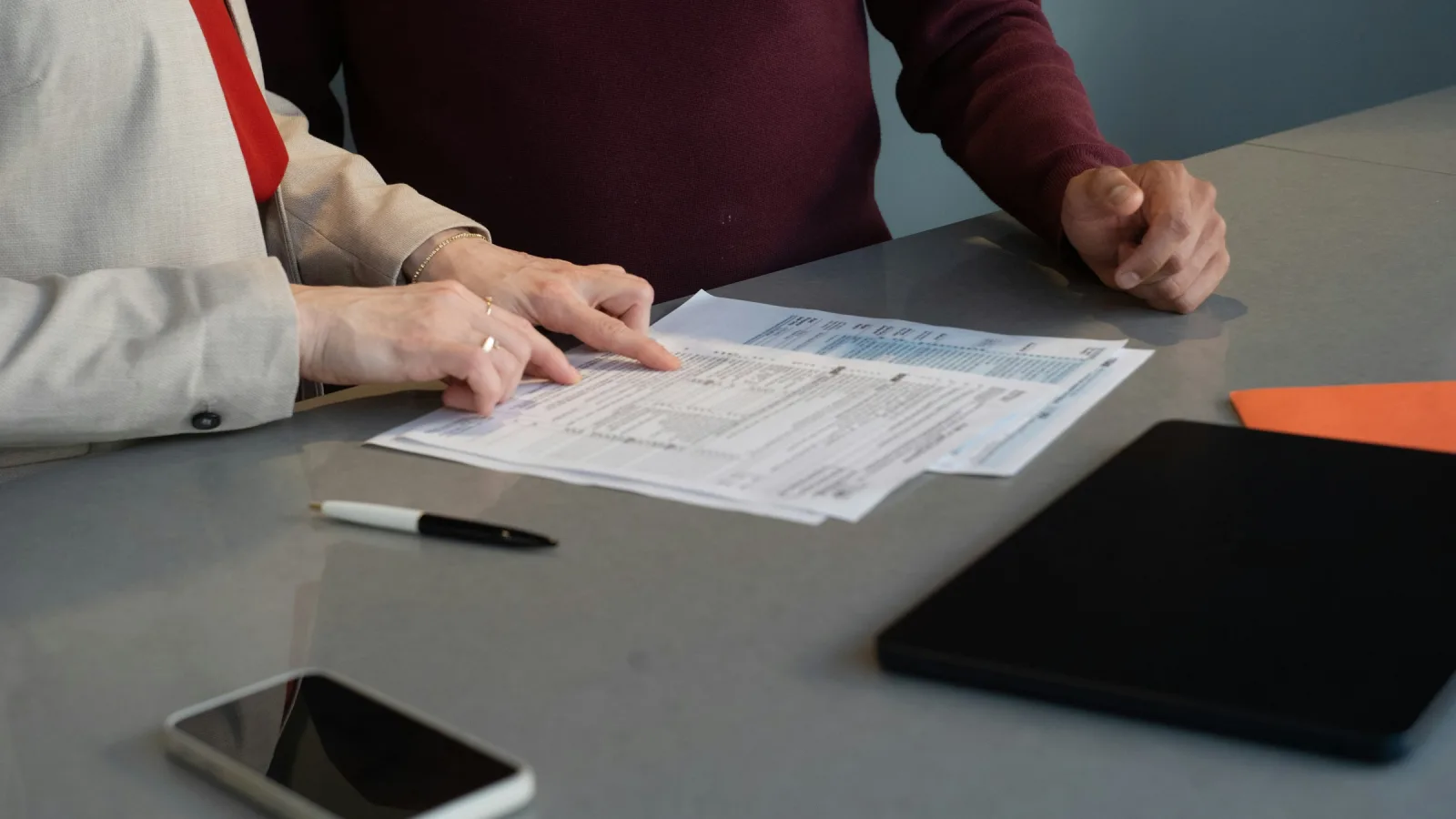
The order looks like any other until the email arrives an hour later. "Can you send an invoice with our VAT number on it?" And then, if you are selling into another country, "we should not be paying VAT on this."
The first business customer is a good sign and an awkward afternoon. Almost every electronics shop gets there faster than it expects, because offices buy monitors, keyboards, cables and laptops from whoever answers first.
What a business customer actually needs
Three things, none of which a consumer checkout usually collects.
- Their VAT number on the invoice. Without it they may not be able to reclaim the tax, which makes your price effectively twenty per cent higher than a competitor who can.
- Your details on the invoice. Your legal name, your own VAT number and your registered address. A receipt saying "thanks for your order" is not an invoice and their accounts department will send it back.
- The right tax treatment. Which depends on where they are, and is the part worth getting right before you are doing it at volume.
Collect the VAT id at checkout as an optional field. Consumers leave it blank and never notice. Business buyers fill it in and stop emailing you.
Reverse charge, in plain terms
Selling B2B across a border inside the EU, to a customer with a valid VAT number, the tax generally does not get charged by you. The buyer accounts for it at their end. That is the reverse charge, and the practical effect is that a valid VAT id zeroes the tax on the order.
Three things to hold on to:
- It applies between businesses, across borders. Not to consumers, and not usually to a domestic sale, where you charge tax as normal.
- The number has to be valid, not merely present. A customer typing anything into the box should not zero your tax liability, because if the number is wrong the liability is yours.
- The invoice has to say what happened. A reverse-charge invoice normally carries a note to that effect along with both VAT numbers.
Post-Brexit UK sales to the EU and vice versa are a different regime again, involving export rules and sometimes duty at the border. That is genuinely a question for your accountant rather than a setting to toggle.
Set tax by country, not as one rate
A single tax rate works until the first order from abroad. Rates differ by country and sometimes by product class, and getting this wrong quietly accumulates a liability you find out about at year end.
Set the rates per country, and use tax classes where a category genuinely differs. Decide also whether your prices are shown with tax included or added at checkout. Consumer expectation splits by market: shoppers in most of Europe expect the price on the page to be the price they pay, while B2B buyers usually think in figures excluding tax. If you sell to both, showing the inclusive price with the exclusive figure alongside is the version that annoys nobody.
The settings are in shop settings, and the payment side is in shop payments.
Put your own details on the invoice before the first B2B order
The three fields that turn a receipt into a document their accounts department will accept are your seller legal name, your VAT number and your registered address. They take two minutes to fill in and they are the difference between one email and four.
While you are there, decide your payment terms. Most small shops should take payment up front from businesses exactly as from consumers. Offering thirty-day terms sounds professional and means you are lending money to a company you have never met. If you do offer it, offer it to repeat customers, in writing, with a limit.
Bank transfer is worth enabling for larger B2B orders, because card fees on a two-thousand-pound order are a real number and some finance departments prefer it anyway. It sits alongside card payment rather than replacing it.
Expect the rest of the B2B pattern
Once business customers find you, a few things follow:
- They order the same thing repeatedly. Customer accounts, so they can see past orders and reorder without retyping an address, pay for themselves quickly.
- They ask for a quote before they buy. Often for a basket they have already built. Being able to answer that quickly matters more than the price.
- They buy in quantity at odd times. Stock that says "12 available" and means it is worth more here than anywhere else in retail. Stock, Backorders and the Product That Sells Out covers keeping that honest.
- They are loyal out of laziness, which is the best kind. A business that has bought twice from you and had no problems will rarely shop around for the third order.
Do not guess this one
Tax is the area where confident improvisation is most expensive, and the rules move. What is written here is the shape of the thing, not advice about your situation: the thresholds, the cross-border rules and the treatment of specific goods all vary by country and change more often than you would like.
Get the mechanics in place, then have one conversation with an accountant about your actual markets. It is an hour, once, and it is cheaper than the alternative.
The electronics store website builder page shows the shop, product pages that survive comparison are in Specs, Variants and the Comparison Problem, and you can start for free and add the B2B fields before the first office rings.