Most online shops are built on an assumption that is invisible until it breaks: the thing on the shelf will still be there tomorrow. Warehouses work like that. Fields do not.
A farm shop catalogue has items that appear for three weeks a year, items that run out by ten on a Saturday, and items whose quantity depends on how many eggs got laid. Running that on a system designed for boxes of trainers is where the complaints come from.
Track real quantities, even when the number is small
The instinct when stock changes constantly is to stop tracking it and sort the problems out afterwards. That is the wrong way round. Volatile stock needs tracking more than stable stock does, because there is no cushion.
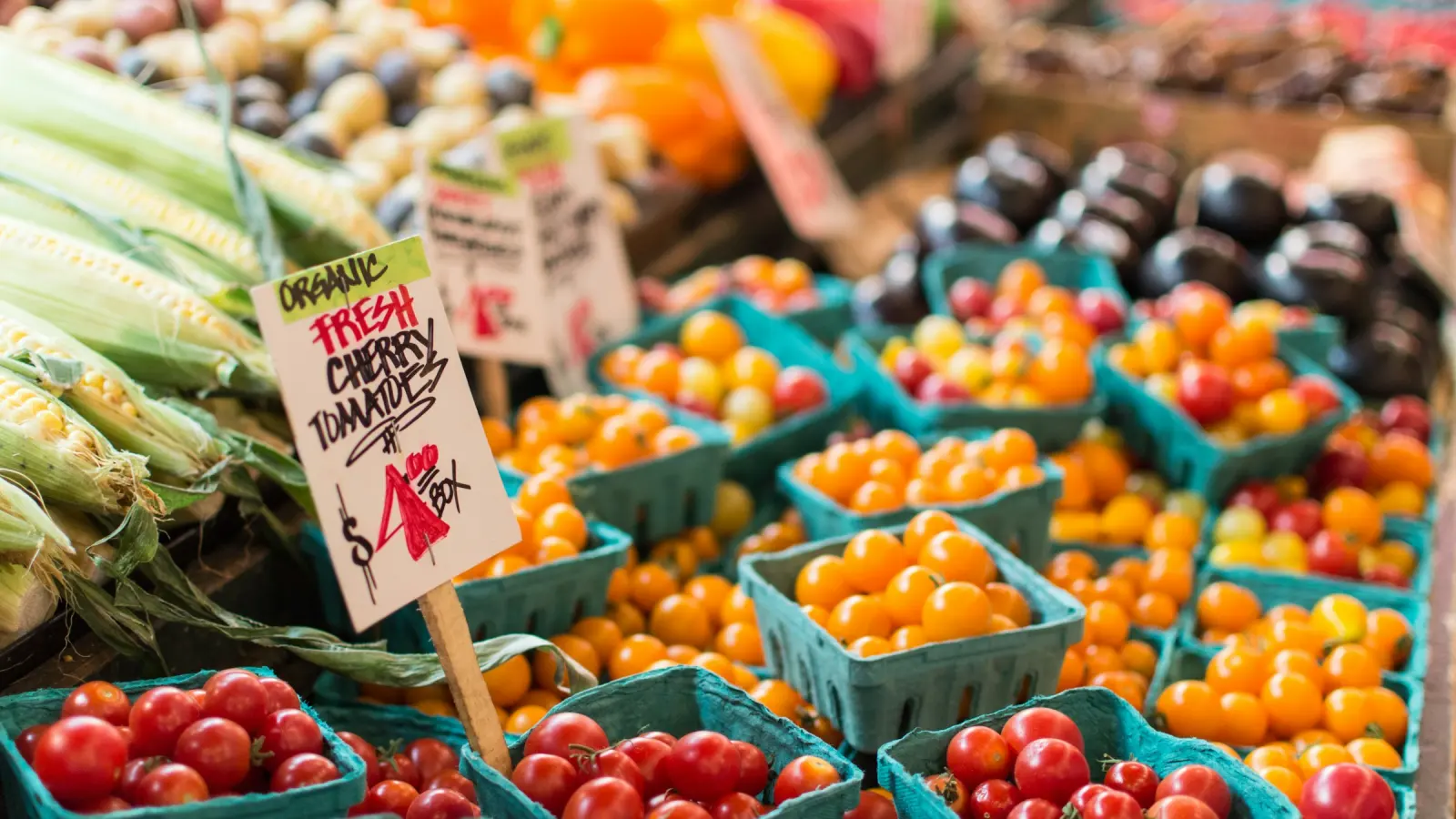
Turn stock tracking on and set the real number. Thirty punnets means thirty. When thirty are sold, the shop stops selling them without anybody watching the screen, which is the entire point at eight on a Saturday morning.
The habit that makes it work is short and daily: after picking, before opening, set the counts. Ten minutes with a clipboard. It is the same ten minutes you already spend deciding what to put on the stall.
Use the low-stock threshold as a signal, not a gimmick
A low-stock warning is usually a persuasion trick. On a farm shop it is a fact, and customers can tell the difference.
Set the threshold where it genuinely changes somebody's behaviour: three or four punnets left, not fifty. Then it is doing two useful jobs at once. It tells the customer that Saturday morning is real, and it tells you what to pick more of next week.
What it must not be is decoration. "Only 2 left" on a product you have pallets of teaches people to ignore every other honest signal on your site.
Hide what has finished rather than leaving it sold out
A sold-out page for a product coming back on Thursday is useful. A sold-out page for asparagus in November is a small disappointment on every visit for seven months.
Distinguish the two:
- Out of stock this week. Leave it visible, sold out. The customer learns your rhythm, which is how weekly shoppers form.
- Out of season. Take it off the shop. It is not coming back for months and it makes the catalogue look neglected.
- Gone for good. Retire it, and if the page had traffic, point it at what replaced it.
Deactivating a product hides it from the shop without deleting the history, so next June you switch it back on rather than retyping it. The mechanics are in add products.
Do not take orders you cannot fill
Some shops allow orders past zero, letting stock go negative as a backlog to be fulfilled later. For manufactured goods that is a reasonable trade. For food it is usually a mistake, because "later" may be next season and the customer wanted it for Sunday.
Leave backorders off for fresh produce. Allow them, if at all, only on the shelf-stable lines where a week's wait is a minor inconvenience rather than a ruined plan. The trade-off in general is covered in Stock, Backorders and the Product That Sells Out.
Write the seasonality into the shop, not just the newsletter
The strongest thing a farm shop has over a supermarket is that its catalogue means something. Use it.
- Say when things start and stop. "First of the outdoor tomatoes, usually gone by the weekend" is better copy than anything a marketer would write, and it is true.
- Put the season in the category. A "what is good now" collection, updated weekly, is the page regulars will bookmark.
- Keep an honest waiting list. For the short seasons, let people ask to be told. Purple sprouting has a fortnight and the people who want it really want it.
Each of those is also a reason for somebody to come back to the site weekly, which is the behaviour that turns a farm shop website from a leaflet into a shop.
Accept that a bad week is a content problem, not a failure
Some weeks the list is short. The wrong response is to pad it with things you have bought in and not say so, because the whole proposition is that you know where the food came from.
The right response is to say the week was short and why. A sentence about three days of rain does more for trust than a full catalogue of anonymous produce. Customers who buy from a farm understand weather. They mind being misled far more than they mind a small shop.
The farm shop website builder page shows the setup, collection windows and delivery rounds are in Collection Windows and Delivery Days for a Farm Shop, and you can start for free with this week's picking list.