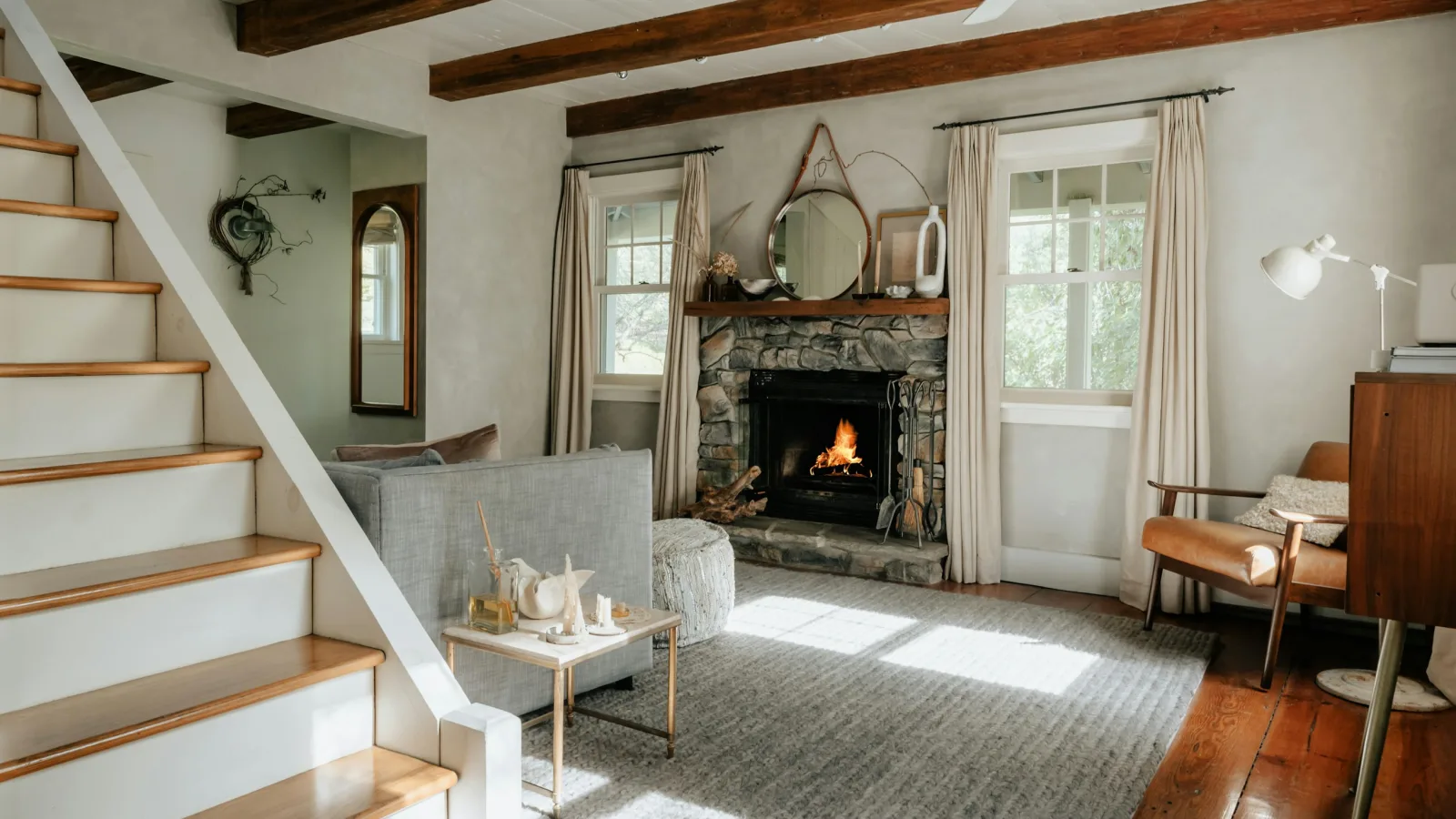
Every holiday let search starts the same way: a place, some dates, and how many people. Everything else a guest cares about, and they care about a great deal, is read afterwards on the listing itself.
Getting that order right is most of what separates a listing that converts from one that gets browsed.
Sleeps is the filter, everything else is the read
"Sleeps six" is the number guests search on. It is the one attribute that eliminates properties outright, and it needs to be accurate rather than optimistic. A property that sleeps four comfortably and six with a sofa bed should say what it means, because the alternative is a poor review from six people who did not fit.
Bedrooms, bathrooms and floor area are read rather than filtered. They matter enormously to the decision, but they matter after the guest is already looking at your property, which means they belong on the listing in plain language rather than as search facets.
That distinction is worth designing around. Get the sleeps figure exactly right so you appear in the right searches, then use the rest of the listing to win the booking.
Answer pets and parking in the first screen
These two produce more enquiries than everything else combined, because both are absolute. A guest with a dog cannot compromise, and a guest arriving by car in a town with no street parking cannot either.
Say both plainly and early:
- Pets, yes or no, and if yes, any limit on number or size.
- Parking, whether it exists, whether it is on the property, and how many cars.
An unanswered yes-or-no question becomes an email, and an email at the wrong time of day becomes a booking somewhere else.
Write for the person who has never been to your area
Guests are choosing between properties in a place they do not know. Distance in miles means little; time and orientation mean everything.
The details that persuade are the ones that only a local could write:
- How far to the things people come for, in walking minutes rather than miles.
- What the approach is like, if the lane is single-track or the parking is a short walk away. Saying so upfront prevents the complaint.
- What the property is genuinely good for, whether that is a family with small children, two couples, or somebody working remotely for a fortnight.
Honesty here is not modesty. A listing that describes the property accurately attracts guests who wanted that property, and those are the guests who leave good reviews.
Photographs in the order guests decide
Lead with the room that sells the property, which is usually the main living space or the view. Then bedrooms, then the kitchen, then the bathroom, then the outside.
Photograph every bedroom. A property advertising four bedrooms with two photographed reads as though something is wrong with the other two, and guests booking for a group will not take the risk.
Put the rules where guests can see them
Minimum stay, changeover day, deposit, cancellation terms. All of these will be encountered eventually, and encountering them at checkout feels like a trap, while encountering them on the listing feels like a policy.
State the cancellation terms in particular. A guest booking a holiday six months ahead is thinking about what happens if plans change, and a clear, reasonable cancellation window converts better than silence does.
Make the booking possible at eleven at night
Holiday research happens in the evening. A listing that ends in an enquiry form rather than a live calendar hands the booking to whoever could take it immediately.
Real availability on real dates, with the total price shown before checkout, is the single change that moves a holiday let from browsing to booked. A holiday rental website that shows availability and takes a deposit turns the eleven o'clock visitor into a booking rather than a message you answer at nine.
FAQ
Should I say the property sleeps more if there is a sofa bed? Say the comfortable number and describe the sofa bed separately. Inflating the figure wins searches and loses reviews.
How much detail is too much? There is very little risk of too much practical detail and a great deal of risk in too little. Keep it scannable with headings and short paragraphs rather than cutting it.
Do I need floor area? It helps for larger properties and for anyone comparing apartments, where "two bedrooms" covers a wide range of realities.
Should the price include cleaning? Whichever you choose, show the total before checkout. A cleaning fee that appears at the last step is among the most common reasons a holiday booking is abandoned.
Read next
- Seasonal pricing for a holiday let - what to charge and when.
- How to write a property listing that gets viewings - the same craft for lettings.