Boat hire looks like car hire until you try to run it that way. Then three differences show up, and each one can cost you a whole day's revenue.
A licence you are legally obliged to check. A security deposit worth more than the charter itself. And weather, which cancels bookings that nobody did anything wrong to lose.
A booking system that ignores those three is a form, not a charter business.
Ask for the licence before the money, not at the pontoon
The worst moment to discover a skipper cannot legally take the boat is when they are standing on it with their family and their bags.
Collect the licence details at the time of booking. For a bareboat charter that means the certificate type and number, and the date it was issued. It changes the conversation entirely: a skipper who cannot produce one finds out at the point of booking, when nothing has been lost but a form, and you can offer a skippered charter instead of a refund.
Boats are the vertical where this matters, and the booking form asks for it. Bikes and equipment do not carry a licence field at all, because inventing one would just be friction. The rule is that the questions follow the boat.
Hold a deposit that reflects what is at stake
The security deposit on a boat is not a formality. It is frequently larger than the day rate, and it is the only thing standing between a scraped hull and an argument.
Treat it as separate from the charter price, because it behaves differently: it is refundable, it is released after the boat comes back and has been looked at, and it is not revenue. Saying so plainly on the booking page prevents most of the disputes that otherwise arrive by email a week later.
Alongside it, set out the damage or protection option clearly - what it covers, what the excess is, and what it does not cover. A skipper who has read that before departure does not argue about it afterwards.
Write the fuel policy down
Fuel is where charters sour. Same-level-return, full-to-full, or fuel charged on return at a stated rate: any of them is fine, and all of them are better than an assumption.
State it on the boat's page, restate it in the confirmation, and record the gauge reading at departure. This is a one-line policy that resolves an entire category of end-of-day disagreements, and it is the single cheapest thing on this list to get right.
Have a weather policy before you have weather
Sooner or later the forecast makes a charter unsafe, and you will decide whether it goes out. That decision should not also be a negotiation about money.
Write down three things and publish them:
- Who calls it, and when. Usually you, on the morning, on a stated criterion - wind over a certain force, or a small-craft warning.
- What the customer gets. A date change is the usual answer, and it is the one that keeps the money and the customer. A refund is the fallback.
- What happens if the customer cancels for weather you consider fine. This is the case that causes trouble, so it needs an answer in advance.
A published policy makes a cancelled charter a rebooking rather than a review.
Give the boat a page a skipper can judge it from
Berths, length, engine hours, draft, year, whether it has a bimini, whether the tender is included. A charter customer is comparing specifications far more carefully than a car renter ever does.
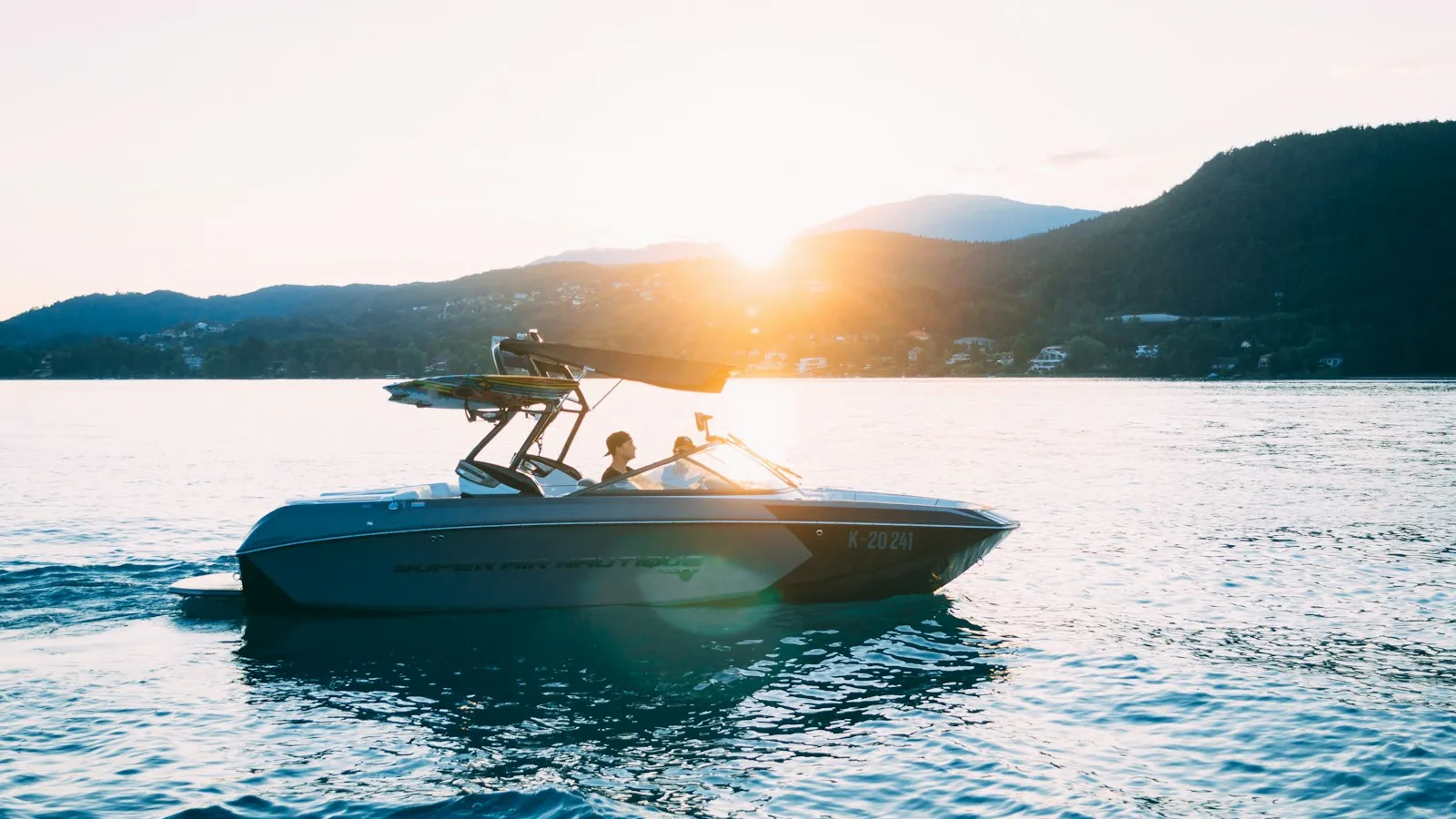
Put those specs on the boat itself, with real photographs of the actual boat - not the manufacturer's brochure shot of a different hull in better light. Charter buyers notice, and the ones who do not notice before departure certainly notice on arrival.
Marinas matter too. Departure and return marina are the location on both ends of a charter, and a customer planning a trip needs to know exactly which pontoon, not just which town.
Let the calendar reflect how boats actually get used
Charters are rarely a neat 24 hours. A day charter departs and returns the same evening; a week charter runs Saturday to Saturday and nothing else fits around it.
Set a minimum charter length per boat, and where your season runs on fixed changeover days, say so. Blocking the turnaround between charters is not optional either: a boat needs cleaning, refuelling and checking, and a system that lets the next booking start an hour after the last one returns is setting you up to fail in public.
Seasonal rates carry the rest. August is not October, and a fleet priced for October is giving away the summer. Set the bands once in advance rather than in the middle of a season, as covered in the seasonal pricing guide.
Then take the booking on your own site
None of the above needs a marketplace. A charter booked through your own site keeps the commission, keeps the customer's contact details, and lets you send the pre-departure briefing yourself.
The boat rental website builder page shows what the finished booking flow looks like, Set up your fleet covers getting the boats in, and you can start for free and put one boat in tonight to see how it reads.
FAQ
Can I require a licence before someone books?
Yes, and you should. Collect it at booking rather than at the pontoon, so the conversation about whether somebody can legally take the boat out happens before they have driven to the marina.
What do I do about weather cancellations?
Write the policy down before the season, publish it on the booking page, and say who decides. A published rule turns a cancelled day into a rebooked one; an unpublished one turns it into a review.
Should skippered and bareboat be the same listing?
No. They are different products with different prices, different requirements and often different insurance. Two listings is clearer for you and for the person choosing.