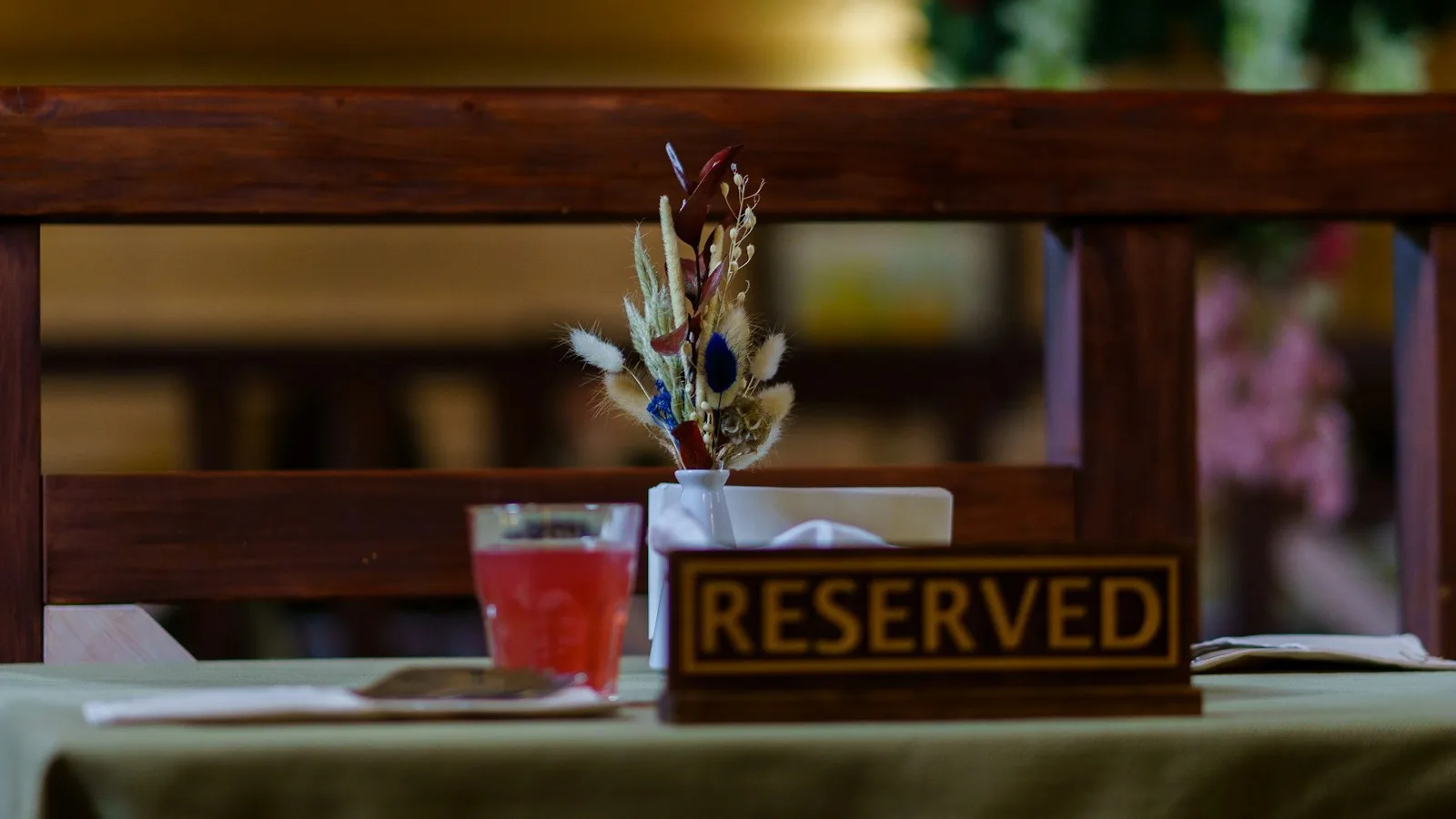
Friday, 6:40. The room seats 40, the phone has rung four times in ten minutes, and two of the bookings are on a pad by the register. Somebody says what somebody always says: we should just get OpenTable.
Maybe. But a reservation platform is two products sold as one, and the decision gets easier once you separate them.
What you are actually buying
A diner network. People who open the app on a Thursday looking for "Italian, two people, 7:30" and see your restaurant in the results. That is the part your own website cannot do: it puts you in front of strangers who had not heard of you.
A reservation book. Availability by time slot, confirmations, reminders, a waitlist, a floor view on an iPad, a guest list. Useful, not unique.
The subscription pays for both, whether or not you need the first one.
What it costs a 40-cover room
OpenTable's entry plan is listed on its Basic plan page at $149 per month plus a per-cover fee, charged only on seated diners, so no-shows and cancellations do not cost you. The per-cover rate is on their pricing page; multiply it by the covers you expect to arrive through their network each month and add the subscription. On the Core plan, reservations made from your own website carry no cover fee, which tells you where the platform thinks its value is: the network, not the book.
Run your own numbers. Seat 40 and turn the room twice on Friday and Saturday and that is 160 covers a weekend. How many found you through an app, and how many were regulars, walk-ins, or people who searched your name and would have booked wherever the button sent them? The second group is the one you are paying a per-cover fee on for no reason.
Who the network is for
The network earns its keep when a meaningful share of your tables are strangers deciding tonight: a new opening downtown, a tourist district, a destination restaurant people travel for. There the cover fee is a marketing cost that is easy to justify.
A neighborhood place with a four-year-old regulars list and a Google listing that already ranks for its own name is a different business. In our study of who small businesses hand their bookings to, a November 2026 re-read of 467 US small-business sites with nothing bookable on their own pages, the platform restaurants most often linked to was Toast, then Resy; OpenTable appeared on 2 sites in the whole sample. Plenty of neighborhood restaurants are getting by without the network.
The booking button on your Google Business Profile does not have to belong to a platform either. Google's Business Profile help says you can add up to 10 links per category for actions like making reservations, and a third-party provider must remove its link from your profile within 5 days of a removal request. Your own reservations page can be where that button goes.
When a booking page with a deposit is enough
If most of your bookings come from people who already know your name, a reservations page on your own site covers the book half of the product:
- Time slots that match your service. A dinner table is a slot with a duration and a turnaround buffer, the same shape as any appointment.
- A deposit on the tables that hurt. Parties of six or more, the Saturday 7:30, the holiday set menu. Paid into your own Stripe account, refunded against the bill. Why it should stay selective is in restaurant no-shows and deposits.
- Confirmation and reminder by email. The cheapest lever against the empty table, and it needs no network.
- A guest list you own. Every booking adds a contact you can email about the new menu, not a row in someone else's database.
That is what the bookings section of a restaurant website does, with deposits set per service; the setup is in set up bookings. To see what your no-shows cost before deciding on a deposit, the no-show calculator does the arithmetic from your own covers and average check.
Plenty of restaurants should keep the platform and still add their own page: the network for the strangers it brings, and everyone else routed to the page where the cover is free.
FAQ
Is OpenTable worth it for a small restaurant?
It depends on how many of your diners are strangers who found you through the app. If that share is large, the per-cover fee is a marketing cost. If most bookings are regulars and name searches, you are paying a network fee for people who would have booked anyway, and a booking page on your own site does the rest.
Can I take reservations on my own website without a platform?
Yes. A bookings section with time slots, a turnaround buffer, email confirmations and reminders covers the reservation book. Add a deposit on large parties and peak slots through your own payment account, and link the page from your Google Business Profile.
Do I pay OpenTable for no-shows?
No. OpenTable's plan pages say you only pay for seated diners, provided you mark the reservation as a no-show or cancellation in their system. The subscription is charged regardless.
Should I take a deposit on every reservation?
Usually not. Apply it to parties of six or more, peak sittings and set menus, state the rule where the booking is made, and refund it against the bill.