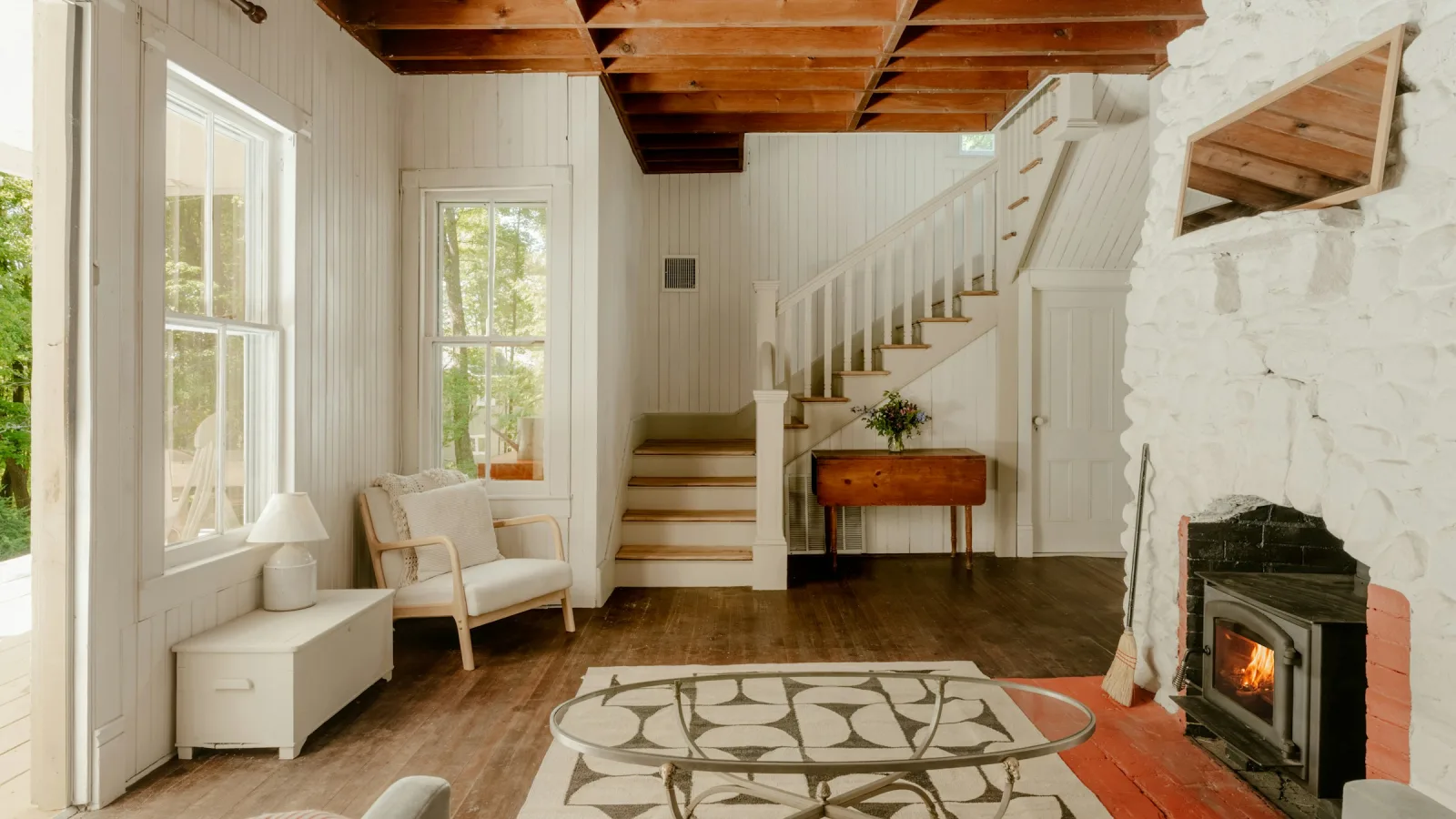
The booking comes in on a Friday night for a cottage that sleeps six. Six adults, two cars, one dog that was not mentioned. You have been doing this long enough to know how the week after a group booking can go, and you also know that asking for four hundred dollars up front is the fastest way to watch somebody close the tab.
Both instincts are right. The way out is not a number, it is a mechanism.
A hold is not a charge
There are two completely different things people call a damage deposit.
- A charge. You take the money, it leaves the guest's account, and you send it back after the stay. The guest is out of pocket for two weeks, your bank statement has money in it that is not yours, and a refund is now a thing you have to remember to do.
- A hold. The card is authorized for the amount and nothing moves. The guest sees a pending line that disappears. You can take part of it, all of it, or none of it, and "none of it" requires no action from you beyond releasing it.
The second one is what a vacation rental wants, and it is what Webkio does: the stay is paid at booking, and the confirmation email gives the guest a link to authorize the deposit as a separate hold rather than adding it to the total. Because the hold lasts about seven days, the link opens three days before arrival and is emailed to the guest then, not on the day the stay was booked, and the deposit status on the reservation tells you whether it is in place. If the cottage is fine, you release the hold and the guest never paid anything. If the sofa is not fine, you capture part of it.
That changes the conversation. "We hold $300 against damage and release it after checkout" is a sentence people accept. "We charge $300 extra and refund it later" is the same money and a different booking.
Set it per property, not per business
A deposit is a property-level number in Webkio, not one figure across your whole portfolio. That matters more than it sounds, because the risk is not the same:
- A one-bedroom apartment rented to couples does not carry the same exposure as a six-sleeper with a hot tub and a games room.
- A property that takes dogs wants a different figure from the one that does not.
- A new property you are still learning wants a higher number than the cottage you have run for nine years.
A single business-wide deposit ends up set to whatever the worst case needs, which means every guest in the small apartment is being asked to cover the risk of the big house. Set the number where the risk is.
How much
There is no formula, and anyone selling you one is guessing. What there is, is a sanity check: the deposit should cover the thing that realistically goes wrong, not the thing that would be a catastrophe.
Realistic is a broken dining chair, a stained mattress protector, a missing set of keys, a late checkout that costs you the changeover. Catastrophic is a flooded bathroom, and a deposit was never going to cover that - that is what your insurance is for. Sizing the deposit to the catastrophe prices you out of bookings to protect against something the deposit cannot protect against anyway.
In practice most small rentals land somewhere between one night and one third of the stay. If your number is above the total price of the booking, the guest will read it as distrust rather than policy.
Write the sentence before you need it
The deposit argument is never really about the deposit. It is about whether the guest knew. So the useful work happens before anyone books, and it is three lines on the property page:
- The amount, and that it is a hold rather than a payment.
- When it is released. "Within three business days of checkout" is a promise you can keep; "promptly" is not.
- What it covers, in plain words. Damage, missing items, and the extra cleaning a stay sometimes needs.
Then put the same three lines in the confirmation email, because that is the message a guest still has on their phone at checkout. What guests actually look for on a vacation rental listing covers the rest of what belongs on that page.
Release it even when you are annoyed
The temptation after a difficult stay is to hold on while you decide. Do not.
A hold has a shelf life at the card network (seven days on most cards, after which the funds are released), so sitting on it does not preserve your options - it just expires, usually at the moment you were about to act. And a guest who is waiting on a deposit is a guest writing a review. If you are going to capture, capture with a photograph and a line explaining what for. If you are not, release it the day the cleaner confirms the property is fine.
The owners who have the fewest deposit disputes are not the ones with the biggest deposits. They are the ones who release fast enough that nobody has to ask.
FAQ
Can I take a damage deposit without actually charging the guest?
Yes, and that is the difference worth understanding. A hold authorizes the card for the amount without moving any money: the guest sees a pending line that disappears, and you capture only if you need to. Webkio takes the deposit as a separate hold rather than adding it to the booking total, so a guest who leaves the property as they found it never pays anything.
How much should a vacation rental damage deposit be?
Size it to what realistically goes wrong - a broken chair, a stained mattress protector, a lost set of keys, a late checkout that costs you the changeover - not to a catastrophe. A flood is what insurance is for, and a deposit large enough to cover one will cost you bookings. Most small rentals land between one night and one third of the stay. Above the total price of the booking it reads as distrust.
Should every property have the same deposit?
No. The deposit is set per property, because the exposure is not the same: a one-bedroom apartment rented to couples is not a six-sleeper with a hot tub, and a property that takes dogs wants a different figure from one that does not. A single business-wide number ends up set to the worst case, which means every guest in the small apartment covers the risk of the big house.
When do I have to release the hold?
As soon as the property has been checked, and sooner than you feel like after a difficult stay. A hold expires at the card network after a limited window, so sitting on it does not preserve your options - it removes them. If you are going to capture, capture with a photograph and a line saying what for.
Can I take part of a deposit rather than all of it?
Yes. A partial capture is the normal case: one replacement item out of a larger hold, with the rest released. Taking the whole deposit for a small fault is how a deposit dispute becomes a review.
What this needs on your own site
Taking a deposit yourself needs three things a listing site does not give you: your own booking form, your own payment setup, and the ability to authorize money without taking it. On a marketplace, the deposit is the platform's policy and the guest's relationship is with them: Airbnb's own rules bar most hosts from taking a security deposit or card hold at all, and where one is allowed it must be released in full within 7 days of checkout.
Webkio's vacation rental website builder does the direct-booking half: your own property pages with per-property deposits, availability, and seasonal pricing that does not need a spreadsheet. The live demo is a three-property let with real bookings in it, if you would rather look than read.