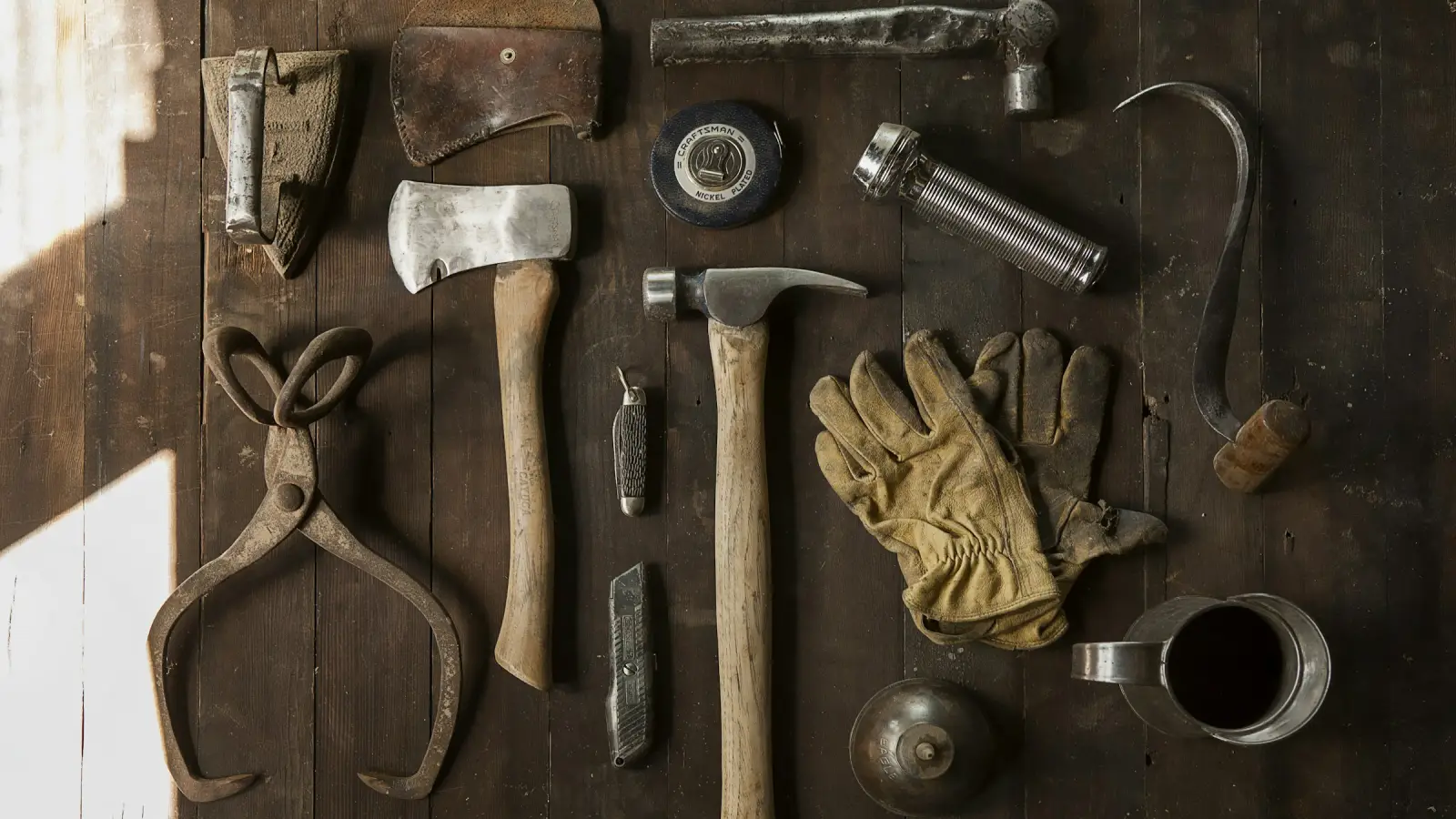
Here is the conversation almost every maker has had. Somebody asks what a piece costs. You add up the materials, roughly double it, and say a number. It sounds like a lot out loud, so you take a bit off. They buy it, and you feel good until you work out that the eleven hours you spent came to about four pounds each.
Underpricing handmade work is not a confidence problem. It is an arithmetic problem that confidence makes worse.
Start from the real cost, and include the waste
Materials first, and be stricter than feels reasonable.
- What went into the piece, at what you actually paid, not the bulk price you hope to get one day.
- What did not. The offcuts, the failed glaze, the bobbin of thread you will never use again. If one firing in six cracks, every surviving piece carries a sixth of a lost one.
- The packaging. Box, tissue, tape, card, label. It is usually between one and three pounds and it is almost always forgotten.
- The listing costs. Fees where you still sell on a marketplace, and payment processing everywhere.
Write it down per piece. This is the number to record as the cost price in your shop, because it turns later questions into lookups rather than guesses.
Pay yourself an hourly rate you would accept from someone else
Decide what your hour is worth before you decide what the piece is worth. The test that cuts through it: what would you pay a skilled person to do this work for you?
Then time yourself honestly, across the whole job:
- Making, including the setup and the clean-up, which are usually a third of it.
- Finishing and packing, which is real work and takes real minutes.
- The admin attached to that piece. Photographing, listing, writing the description, answering the questions it generates.
Most makers discover the making is the smaller half. That is not a sign you are slow. It is what running a shop is.
Add the costs that exist whether or not you sell anything
Studio rent or the heat in the spare room. Tools wearing out. Insurance. The website. Your accountant. These do not belong to any one piece, so spread them: total them for a year, divide by the pieces you realistically make in a year, and add that.
If that number frightens you, it is doing its job. It is the number that decides whether this is a business or an expensive habit, and it is better known than avoided.
Then add margin, because cost recovery is not profit
Materials plus time plus overheads gets you to break-even. A business needs more than break-even, because it needs to survive a quiet quarter, buy a better tool, and take a holiday.
Add a margin on top. What it should be depends on how you sell:
- Selling direct only, a margin that leaves you comfortable is enough.
- Wholesaling as well, and the sums change completely. A shop will expect to pay roughly half your retail price, so your retail price has to work at half. Makers who set a direct price first and then try to wholesale discover they cannot, and the reason is always that the direct price was too low to halve.
Set the wholesale-capable price even if you have no wholesale customers yet. It is far easier than raising everything eighteen months later.
Do not let the marketplace set the number
There is always somebody selling something that looks similar for less. They are usually one of three things: buying in finished goods and calling it handmade, much further up a production curve than you, or quietly not paying themselves. None of those is a reason to price like them.
Compete on the thing they cannot copy, which is that you made it and you can say how. A piece with a maker attached to it is a different product from an anonymous one at the same price.
The related decision is whether to publish prices at all. For handmade work the answer is nearly always yes, and the reasoning is in Should You Put Prices on Your Website?.
Raise prices on new work first
Reprising an existing catalogue upward is uncomfortable and visible. Pricing the next thing correctly is neither.
Bring new pieces in at the number the arithmetic gives you, and let the old ones sell through. Within a season the average has moved without a single announcement. If something has been badly underpriced for years, raise it in two steps rather than one, and let the was-now pricing do the explaining.
Check whether you were right
Recording the cost price is what makes this more than a one-off exercise. Once it is in the shop, the reports can tell you which pieces actually earn rather than which ones sell, and those are frequently different lines. The thing that flies off the table at a fair is often the thing paying you least per hour. Shop analytics is where that shows up.
The handmade seller website builder page shows the shop side, Selling One of a Kind, and Made to Order covers lead times and unique stock, and you can start for free and price the next piece properly.