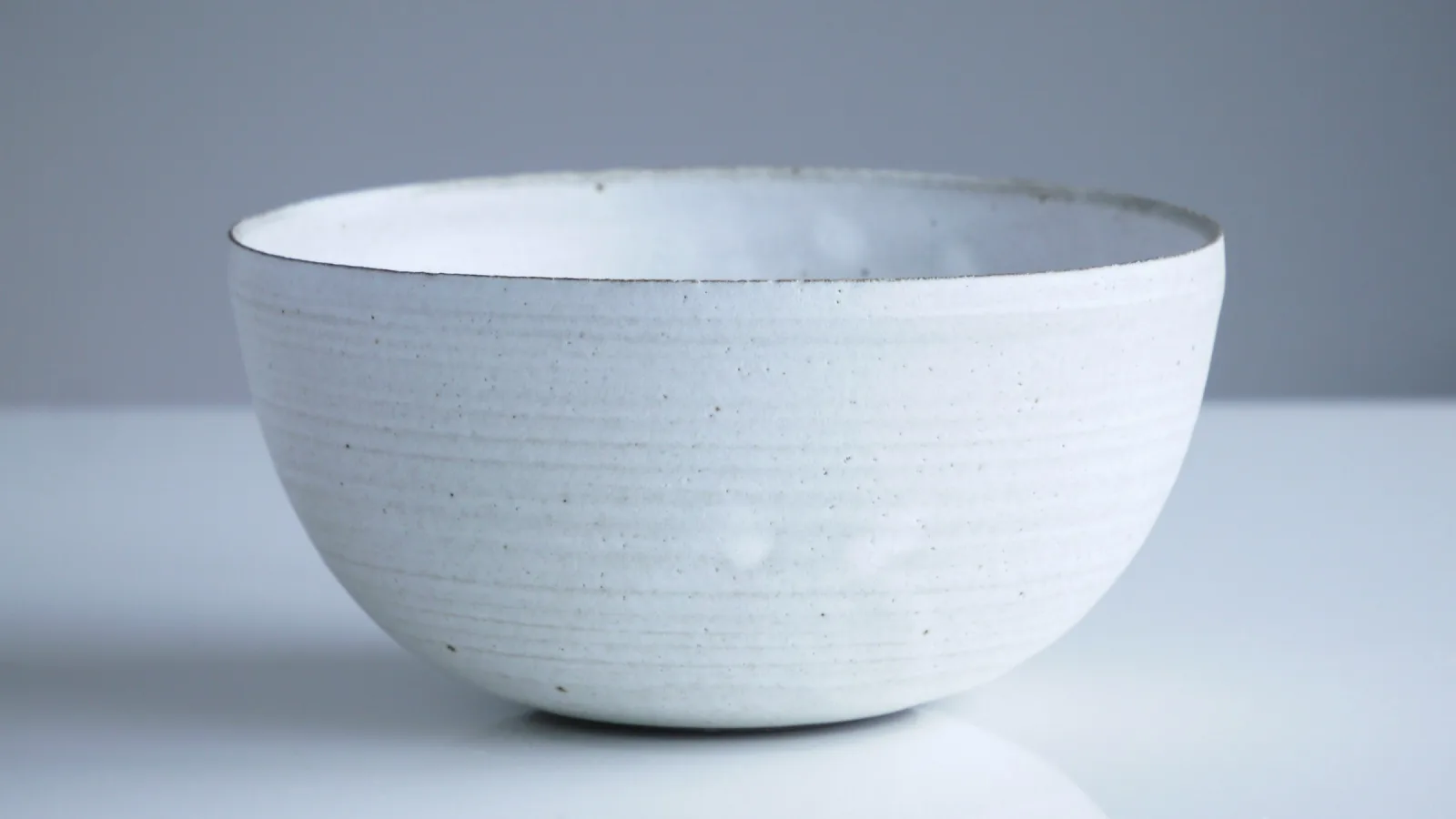
Two products, both handmade, both twenty pounds. The first is a bar of soap and you have forty of them. The second is a bowl, and there is one, and when it sells there will never be another exactly like it.
Every shop system in the world handles the soap well. The bowl is where small makers get into trouble, and so is its cousin: the piece that does not exist yet because you make it after the order arrives.
Stock of one is a real quantity, not a label
The temptation with unique work is to leave stock tracking off and handle it manually. Do not. A stock count of one, tracked, does three things that a note in your head does not.
- It sells once. The moment the order completes, the bowl is gone from the shop. Two people cannot buy it in the same hour, which is exactly what happens when a piece gets shared and traffic arrives all at once.
- It tells the truth while you sleep. Most of the awkward double-sale conversations happen overnight or during a craft fair, when you are not watching.
- It makes the page honest. Sold means sold, and a buyer who sees "1 left" on a one-off understands the situation immediately.
Set it once when you list the piece, and let the shop do the counting. Add products covers where the field sits.
Say what happens next, because a unique piece has no obvious answer
When the soap sells out, everybody assumes more soap. When the bowl sells, nobody knows. Silence gets read as "gone forever", which loses you the buyer who would have waited, or as "more coming", which loses you the one who feels misled.
Pick a sentence per piece and put it in the description:
- "One only. When it is gone it is gone." For genuinely singular work. It is also the most honest scarcity there is, which is why it does not read as a sales tactic.
- "Similar pieces made to order, roughly three weeks." For work where the form repeats and the detail varies.
- "Sold. Join the list to hear when the next batch is glazed." For anything seasonal or kiln-dependent.
Made to order is a promise about time
A piece you make after the order is not a product, it is a commitment with a date attached. The date is the whole thing.
State the lead time in working days or weeks, on the product page, above the basket. Not "please allow time for handmade items". A buyer choosing a birthday present needs a number to compare against the birthday.
Then build slack into it. If a mug takes you nine days when nothing goes wrong, quote fourteen. Early is a delight and late is a refund request, and the difference between them is a number you chose.
Two things worth saying alongside it:
- What starts the clock. Payment, or the moment you agree the details. For anything personalised, it is the details.
- What pauses it. Kiln cycles, a wait for materials, your own holiday. A shop that closes for two weeks in August should say so in the lead time, not in a banner nobody reads.
Take money up front on commissions, and say why
Commission work is where makers lose the most and charge the least. Somebody asks for a custom size, a specific glaze, a name on it. You spend three hours, and then they go quiet.
A deposit fixes this and it is not rude. Frame it the way every trade does: materials are ordered against the order. Half up front on anything personalised is normal, and the people who object were usually the ones who were going to disappear.
For a piece made to your own design with a personalised element, list it as an ordinary product at the full price and take payment at checkout. Save the deposit conversation for genuine one-off commissions, where the specification is the thing being agreed.
Photograph the one you are actually selling
For batch work, one good photograph stands for all of them. For unique work it does not, and buyers know the difference.
Photograph the actual piece: the actual glaze break, the actual grain, the actual slight asymmetry. Then say the sentence that stops the return before it happens, which is some version of "each one varies, and this is the one you will receive". Variation you have named is craftsmanship. Variation the buyer discovers on their own is a defect.
The Seven Photos Your Business Website Actually Needs covers the general set. For one-offs, add a scale reference to every listing: a hand, a book, anything that says how big the thing is.
Keep the sold ones visible, for a while
There is a real argument for leaving sold pieces up rather than deleting them. They show range, they show that work actually sells, and they are how somebody decides to commission something similar. Move them to a "previously made" category rather than leaving them in the shop where they frustrate buyers.
Delete only when a piece no longer represents what you do.
The handmade seller website builder page shows the shop this fits into, pricing the work so the hours get paid is covered in Pricing Handmade Work, and you can start for free with whatever is on the bench today.