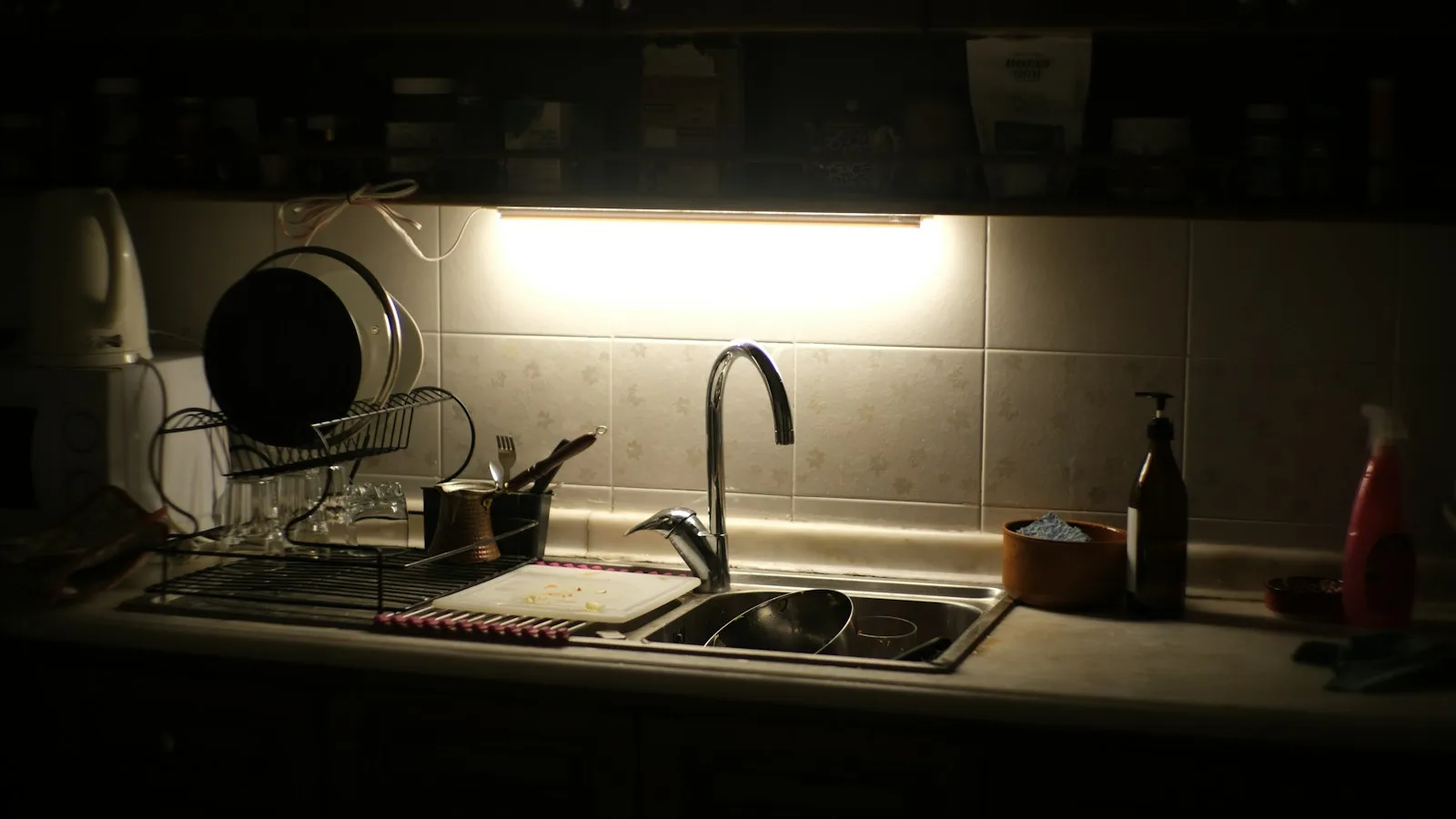
It is 2:10 in the morning and there is water coming through a kitchen ceiling. The person under it has one hand on a saucepan and the other on a phone, and they are going to call the first plumber whose website gives them a number they can tap. They are not going to read your About page. They are not going to fill in a six-field form. They will give you about four seconds, and if the page is still loading a hero video at the end of them, they are already calling someone else.
The emergency visitor is the most valuable person who will ever land on a trade website, and most sites are built for someone else entirely.
It happens on a phone, so build for the phone
Pew Research Center's mobile fact sheet puts smartphone ownership among US adults at 91 percent in 2026, and 16 percent of adults go online only through the phone. The 2am visitor is not sitting at a desk. Google is on the same page: its mobile-first indexing guidance says it uses the mobile version of a site's content for indexing and ranking, so the phone version is not the secondary version, it is the one that counts twice.
What that means in practice: the number is a button, the button is at the top, and nothing above it is decorative.
Tap-to-call above everything
The first thing on the screen is the phone number, as a link that dials when tapped, with the words next to it that the visitor is checking for: "24-hour emergency line" or "After-hours calls answered until 10pm". Not in a header image, not in a menu, not behind "Contact".
Repeat it at the bottom of the page, because people scroll before they decide.
Tell the truth about hours
"24/7" on a site whose phone goes to voicemail at 9pm is a lie the visitor discovers at the worst possible moment. Say what actually happens:
- "Emergency line answered 24 hours, 7 days" if a human picks up at 3am.
- "Calls answered until 10pm; after that, leave a message and we call back by 7am" if that is the truth.
- "Monday to Friday, 7am to 6pm" if you do not do nights and are honest enough to say so.
Match your Google Business Profile to it. Google's business hours settings let you mark a day as open 24 hours, set main hours, or choose "open with no main hours", and the profile is often what the visitor saw before the site. A profile saying open and a phone that is not answered is a review waiting to be written.
State the after-hours price
A person at 2am with water on the floor is not price shopping. They are, however, going to be furious at 9am about a number they were not told. So tell them, on the page, before they call:
"After-hours emergency call-out $249, includes the first hour. Standard rates apply after that, and we tell you the estimate before we start work."
That one line does three things. It stops the price being the argument later. It filters the handful of callers for whom a dripping faucet is not, on reflection, a $249 emergency. And it tells the serious caller you are a real business with a real rate card.
The form is the fallback, not the front door
If nobody picks up, the visitor needs a second move that is not "try the next plumber". A short form does it: what is wrong, where, a phone number, and one sentence from you about what happens next. "We check messages from 6am and call every emergency request back within 30 minutes of opening."
Every field you add at 2am is a reason to leave. And make sure the submission goes somewhere you will see at 6am, which means email to a phone you look at, not a dashboard you log into on Mondays.
Load on a weak signal
A phone in a basement on one bar of signal does not care about your hero video or the 4MB photo of the fleet. Make the top of the page text and a button, and let the photos come after. The free website checker will tell you how heavy your pages are and what is slowing them.
A Webkio trade template already leads with the tap-to-call number and the hours block, and its quote request form emails you each submission the moment it arrives, which is the fallback described above. The rest of the structure, services, areas, proof, is in how to make a trade business website, and getting found for the search that starts it all is in local SEO for a one-location business.
FAQ
What should the top of a contractor website show on a phone?
The phone number as a tap-to-call button, the words that say when it is answered, and what you do. Nothing decorative above it. The emergency visitor decides in seconds and will not scroll past an image to find the number.
Should I publish my emergency call-out fee?
Yes. The 2am caller is not shopping on price, but the 9am version of the same person will dispute a fee they were not told about. One line with the fee and what it includes prevents the argument and makes you look like a business rather than a gamble.
What if I cannot answer the phone at night?
Say so, exactly. "Calls answered until 10pm; after that leave a message and we call back by 7am" is a promise you can keep and the visitor can plan around. "24/7" that goes to voicemail is the version that earns a one-star review.