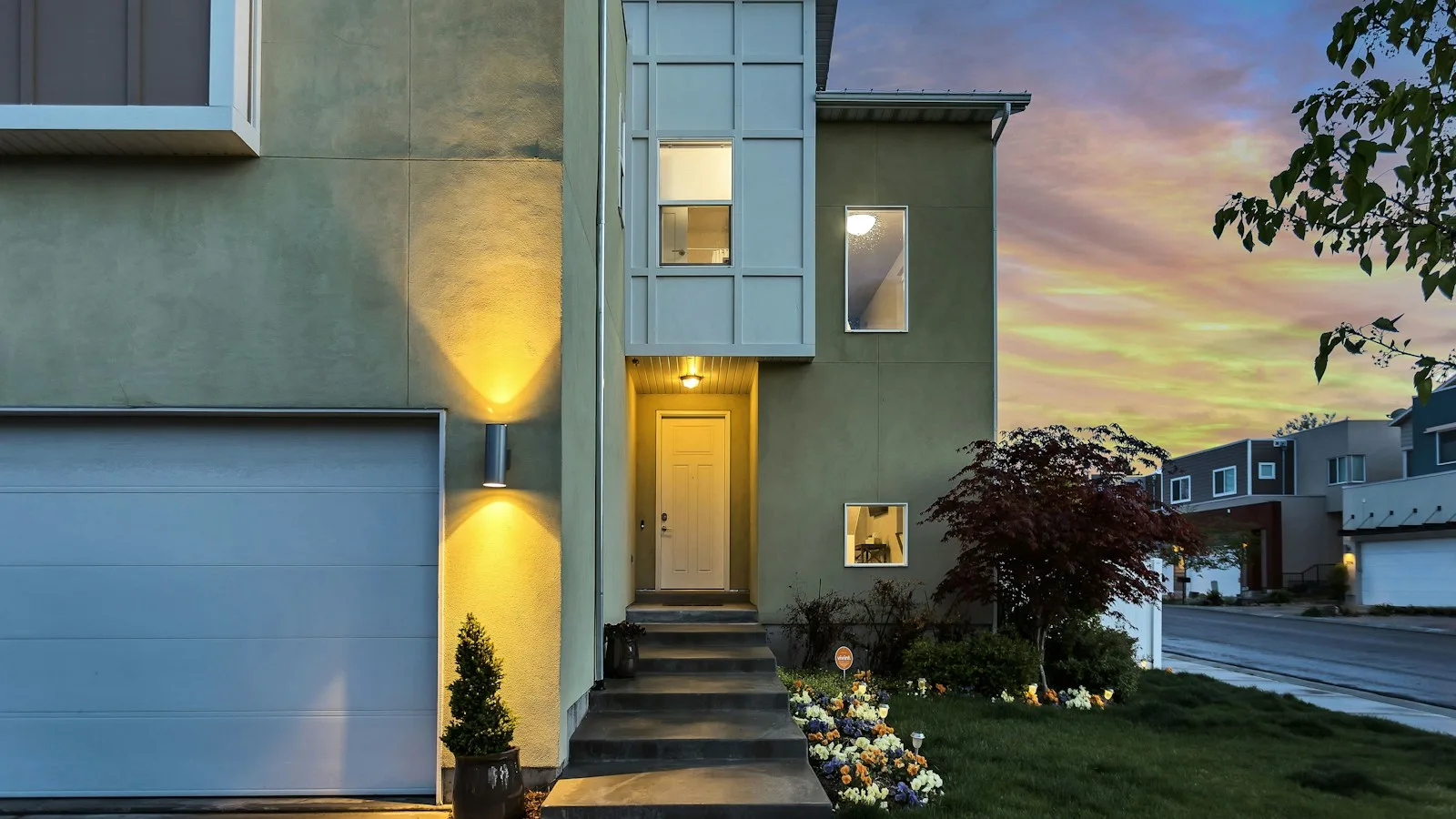
You listed the house on Tuesday. By Wednesday it is on Zillow, Trulia, Realtor.com and forty sites you have never heard of, with your photos, your description and a button that says "Contact agent". A buyer presses it. The agent who gets the message is not necessarily you.
That is the deal, and it is a fair one if you understand both halves.
What the portals do for you
Reach, at a scale no agency's website will ever match. Zillow Group's own annual report for 2025 puts its portfolio at "an annual monthly high of 259 million unique users in July 2025" and "approximately 9.6 billion visits in 2025", with its rentals business alone at about 33 million average monthly unique visitors. Your listing reaches nearly every buyer in your market the day it goes live, for nothing more than being in the MLS.
That is not a thing to walk away from, and should you leave the property portals makes the case against trying. The question is what they keep.
What they keep
The same filing describes how the portal earns its money from agents: a "subscription-based offering where connections are distributed to partners in proportion to their share of voice", and Zillow Preferred, an "invite-only, pay-when-you-close program" where partners "pay a performance advertising fee when a real estate transaction is closed with one of the leads". Connections are the buyers who press the button, and they go to the agents paying for that ZIP code.
Nothing in that model routes the buyer who asked about your listing to you because it is your listing. You can be one of the paying agents. But the inquiry is the portal's product, generated by your listing, and the portal decides who receives it.
Two more things stay with the portal. The page: when the house sells, the URL you shared becomes a sold record on their site, not a case study on yours. And the sequence: since April 2025 Zillow's Listing Access Standards say a listing publicly marketed to any buyer must be in the MLS within one day, and listings that do not comply "won't be published on Zillow or Trulia for the life of the listing". Running a sale listing on your own site for a week before the portals see it is off the table: if it is public, it is on the MLS, and so it is on Zillow.
Why each listing still needs a page you own
Not instead of the portal; as well as.
- The inquiry comes to you, alone. A form on your listing page has one recipient. No share of voice, no other agents underneath, no fee. It is the only channel where the buyer who found your listing is certain to reach the agent who listed it.
- The sellers see it. A listing appointment is partly "where will my house appear". "Everywhere, plus its own page on our site" is a sentence most competitors cannot say. What a real estate agent website needs covers what that page holds.
- The page outlives the sale. Mark it sold and it becomes proof of work on that street, with your photos and your price, for the next seller who searches it.
- You set the fields. Portals cap the photos and standardize the description. Your page carries the fuller version from how to write a property listing.
- Rentals have no MLS. Rental listings do not ride a feed; you post them. A page you own with its own inquiry form is the only place a rental inquiry is unambiguously yours. Sales and rentals on one website covers running both.
How this works in practice
The honest version: a site built here has no MLS or IDX feed and does not push listings to the portals. You add each listing by hand, with photos, specs, price and status, and each gets a page with its own inquiry form that sends to your email and your Contacts list. Right for an agency carrying ten to forty listings, wrong for a brokerage carrying four hundred.
The sequence: enter the listing in the MLS the day it is public, add it to your own site the same day, and put your URL on the sign rider and the flyer. The portals do the reach; the people who look for you by name land on a page where the button reaches you. The real estate agent site and rental agency site pages show the listing module, and property listings and settings covers setup.
FAQ
Should I stop paying for portal leads if I have my own listing pages?
Not because of this. Portal leads are paid reach to buyers who do not know you; your own pages catch people who already found your name. Run the numbers separately and keep what pays.
Does putting a listing on my own site break the MLS or Zillow rules?
Publishing your own listing on your own site is normal marketing. The standards are about sequence: once it is publicly marketed anywhere, it needs to be in the MLS within a day. Enter it in the MLS first and post it to your site the same day.
Can a rental agency use this without an MLS at all?
Yes, and it is the clearest case. Rentals are posted by hand everywhere, so adding your own page costs the same few minutes as any other posting, and the inquiry form on it is the one channel the portals do not sit between.